Gold Tuna Review: 15-Course Tuna Omakase in Bangui-dong, Seoul
[While taste is perceived by the tongue and nose, a truly lasting flavor is completed in your memory. We explore how scent, atmosphere, emotions, and the people you are with transform the impression of a premium tuna omakase.]
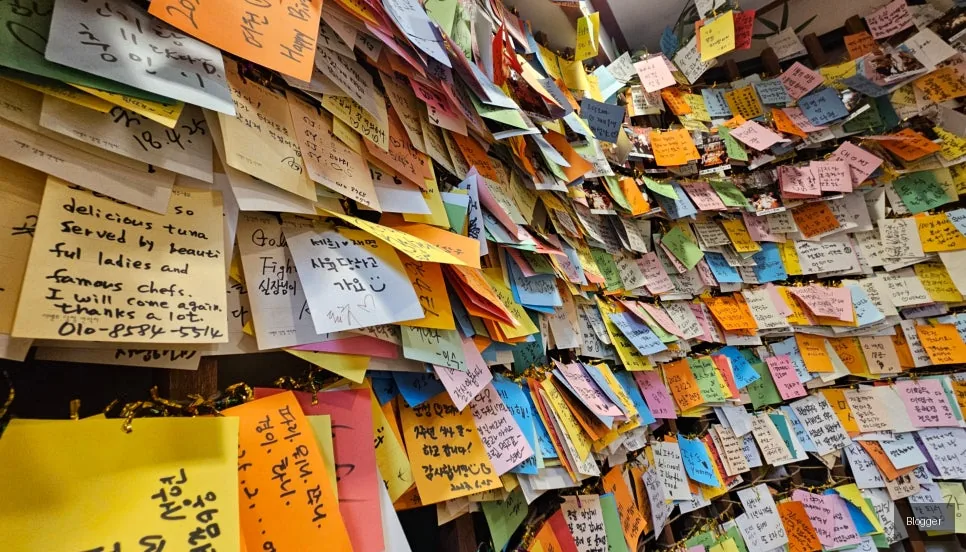
Taste leaves a memory; deep emotion leaves a note.
Even when eating the same food,
some days it is just a simple meal,
while on other days, it stays with you forever.
It’s not just because the flavor was different.
The people, the ambiance, the conversation, and the emotions of that day
all work together to reshape the impression of the dish.
This is why I always believe:
People eat food, but what they recall is a scene.
Taste begins in the mouth,
but a lasting flavor is completed in your memory.
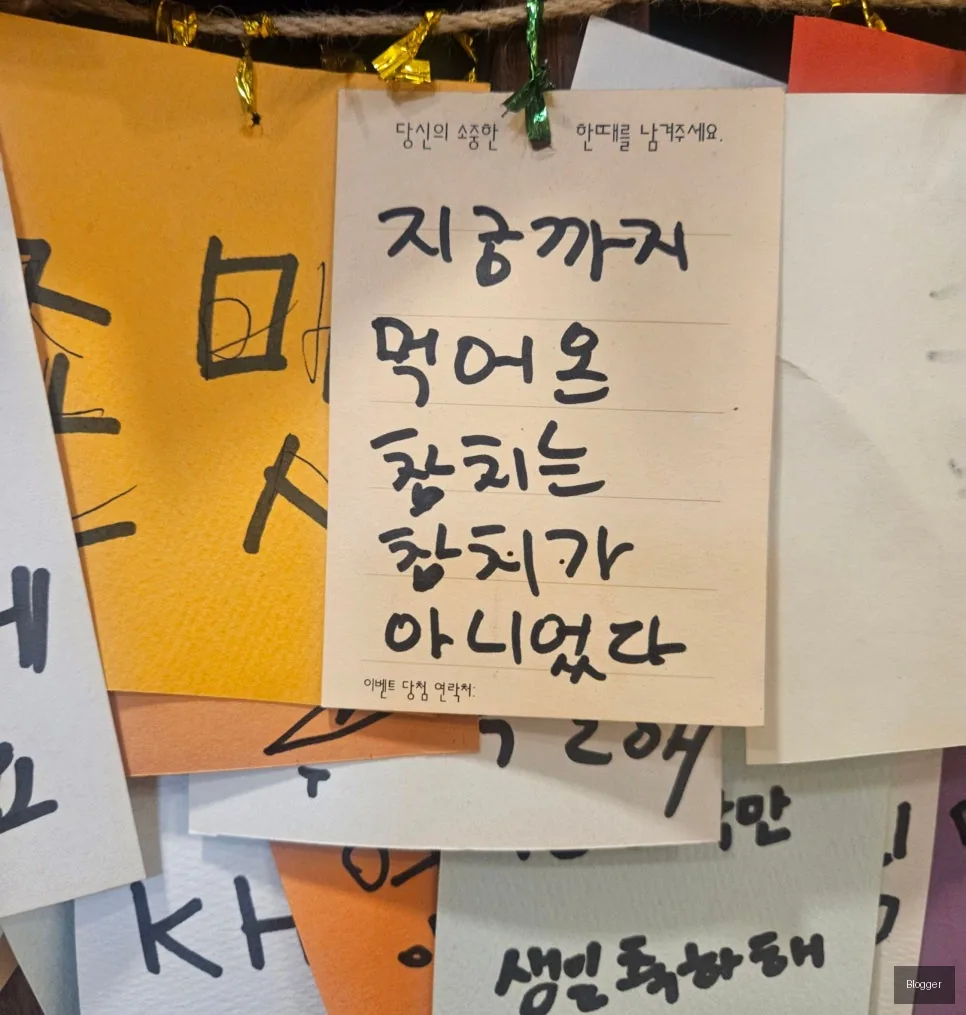
Customer Review: "The tuna I've eaten until now wasn't real tuna."
Food is Sensed by the Tongue; Memories are Saved as Scenes
Dining is a matter of the senses,
but memory is a matter of context.
While what you ate is important,
who you were with, the atmosphere,
and how you felt that day remain etched in your mind.
Studies show that olfactory and gustatory stimuli are deeply linked to emotional responses. A dining experience functions as an emotional event rather than just nutritional intake. Furthermore, the "Proust effect"—where smells and tastes trigger memories—tends to bring back memories that are highly self-relevant and emotionally potent.
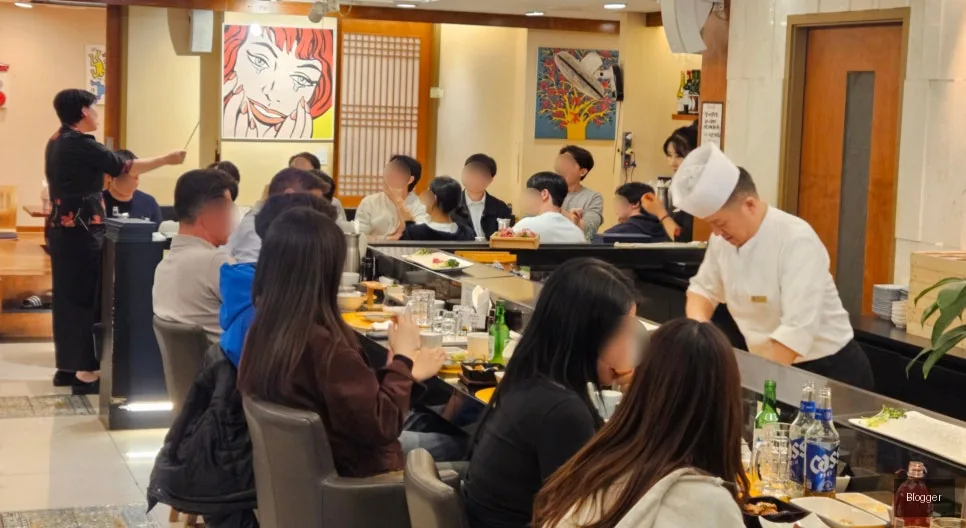
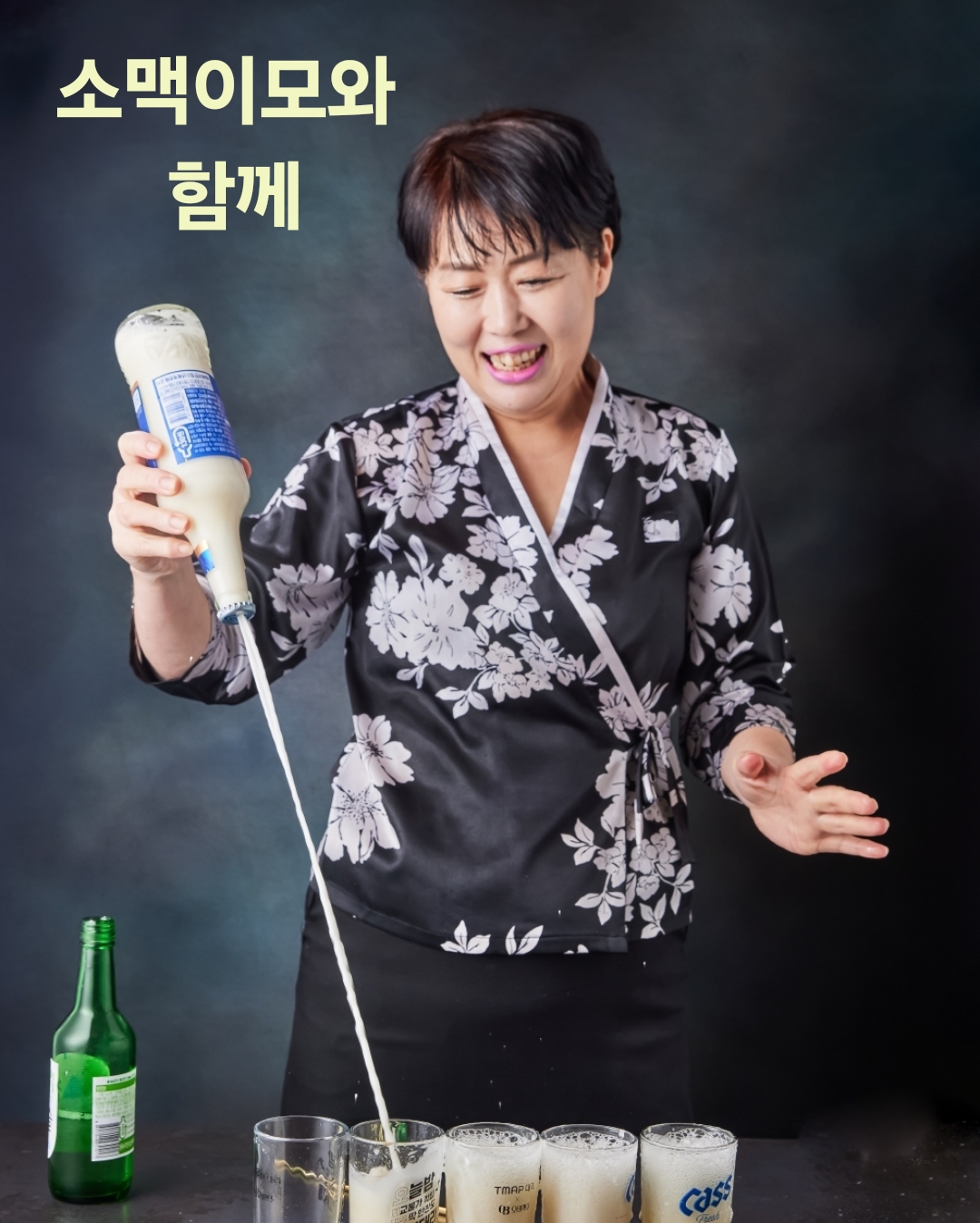
Our "Somaek Auntie" performing her signature cocktail mix
Food is a sensation, but memories store emotions and context together.
Smell and taste can trigger memories more powerfully than other senses.
Thus, the same dish can feel entirely different depending on the day it is enjoyed.
Familiar Flavors Deepen with Memory
Taste is not always a brand-new creation.
We interpret current flavors based on
past experiences and established memories.
A food combination that was delightful in the past
is more readily accepted the next time.
A scent associated with a happy memory
feels even more welcoming when encountered again.
Research indicates that the integration of smell and taste becomes more natural through repeated positive experiences, altering how a food's flavor is perceived. Your emotional state can also significantly impact the perceived pleasantness of a meal.
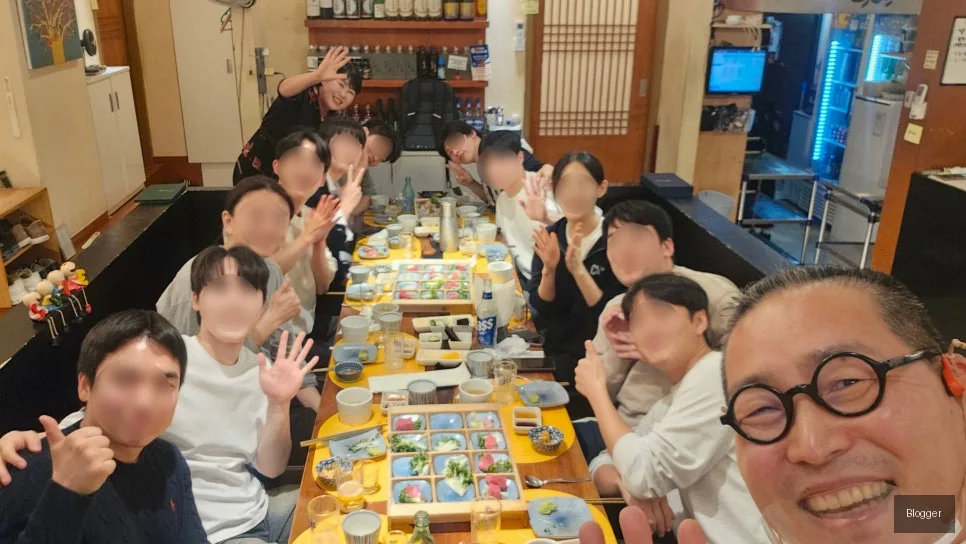
A joyful moment during a group dinner
People attach emotions more easily to familiar tastes than to new ones.
Repeated good experiences strengthen our affinity for certain foods.
Part of a flavor comes from memory, not just the ingredients.
Ambiance is an Ingredient, Not Just a Background
When you visit a high-end restaurant,
satisfaction doesn't come from the food alone.
Was it peaceful enough for conversation?
Was the service rhythm smooth?
Were the chairs comfortable?
Did your companion smile?
All these factors blend into the overall impression of the meal.
In the culinary experience, emotion is not an accessory; it is a core element that changes the evaluation of the food itself. Studies on cross-modal interactions show that when scent, touch, and texture work together, ratings for liking and well-being shift significantly.
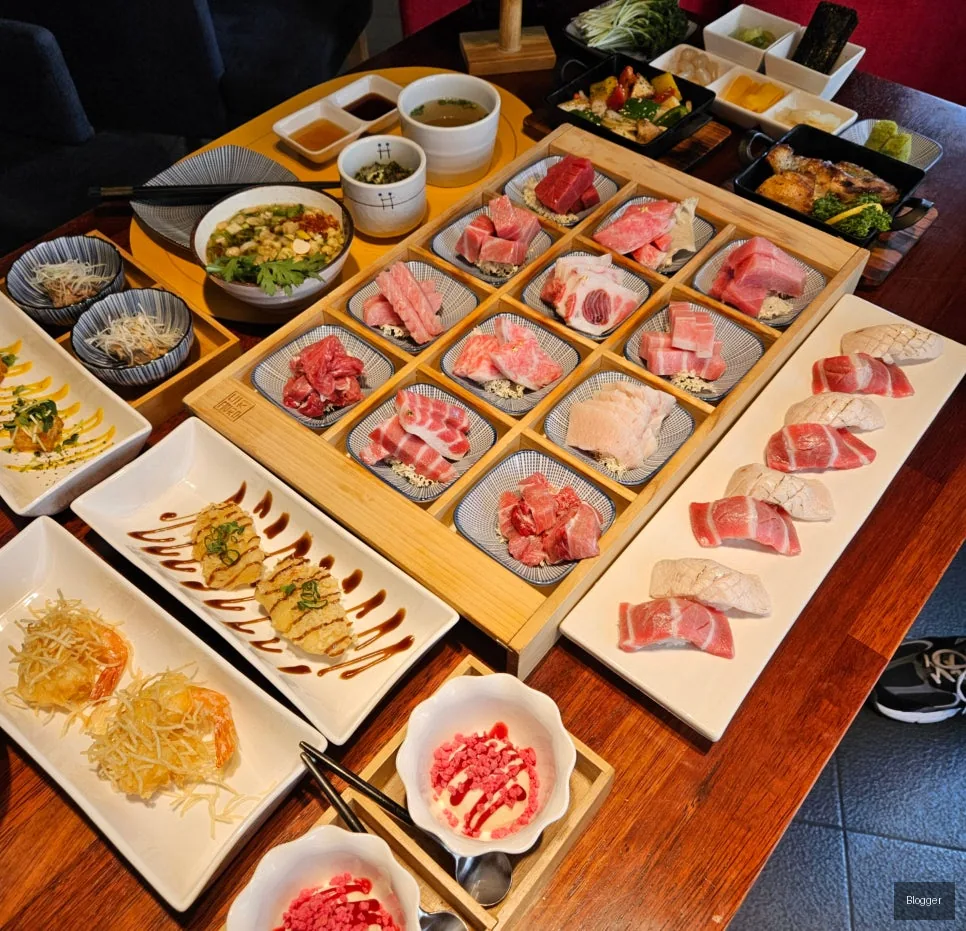
The full 15-course spread at Goldtuna
Diners evaluate the entire experience, not just the plate.
Emotional state and sensory combinations determine total satisfaction.
Ambiance is a part of the flavor, not just a backdrop.
Meals on Special Days Linger Longer
An anniversary dinner is remembered much longer than a casual weekday meal.
It's not because the food was necessarily stronger in flavor.
It’s because the meaning of the day was greater.
Proposals, weddings, long-awaited family reunions, or important business meetings.
Food on these days doesn't just end on the tongue.
The very air of that moment is stored with the flavor.
Therefore, a restaurant should not stop at serving delicious food.
It must consider what "scene" it will leave in the guest's heart.
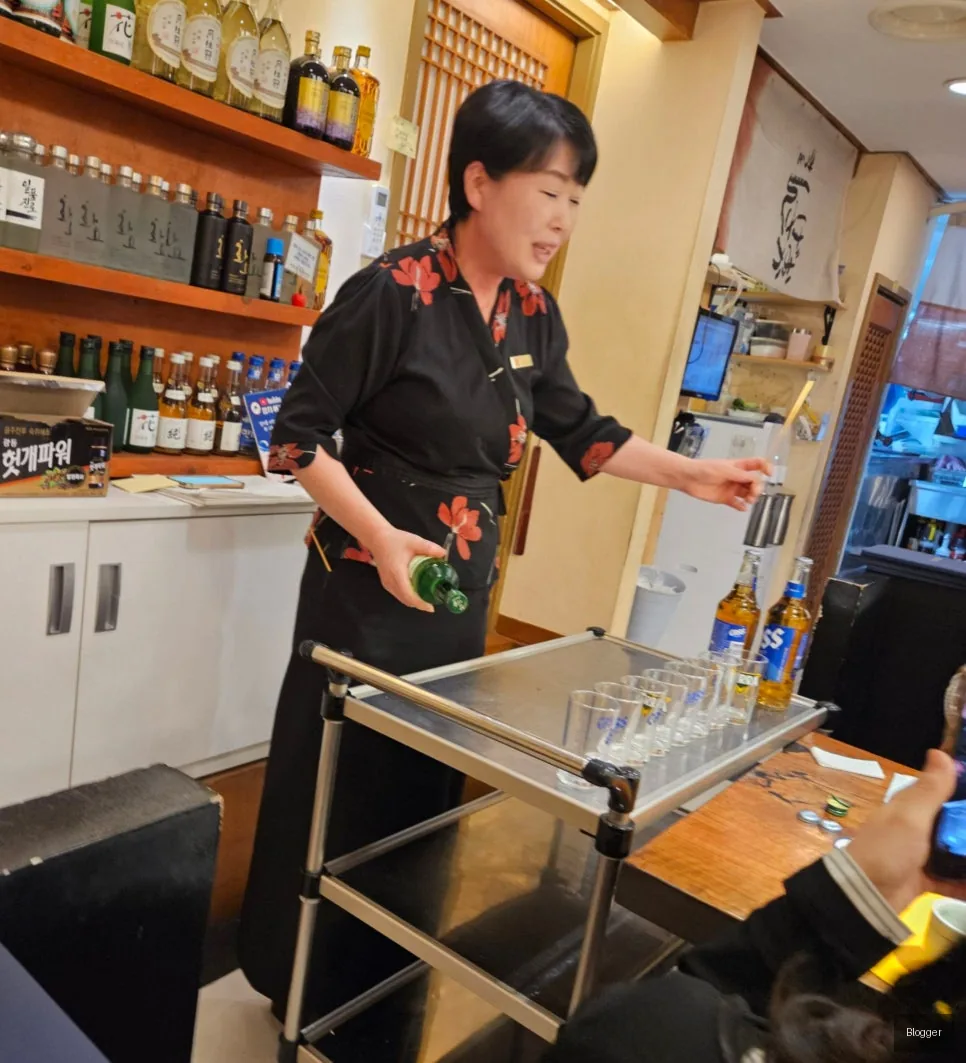
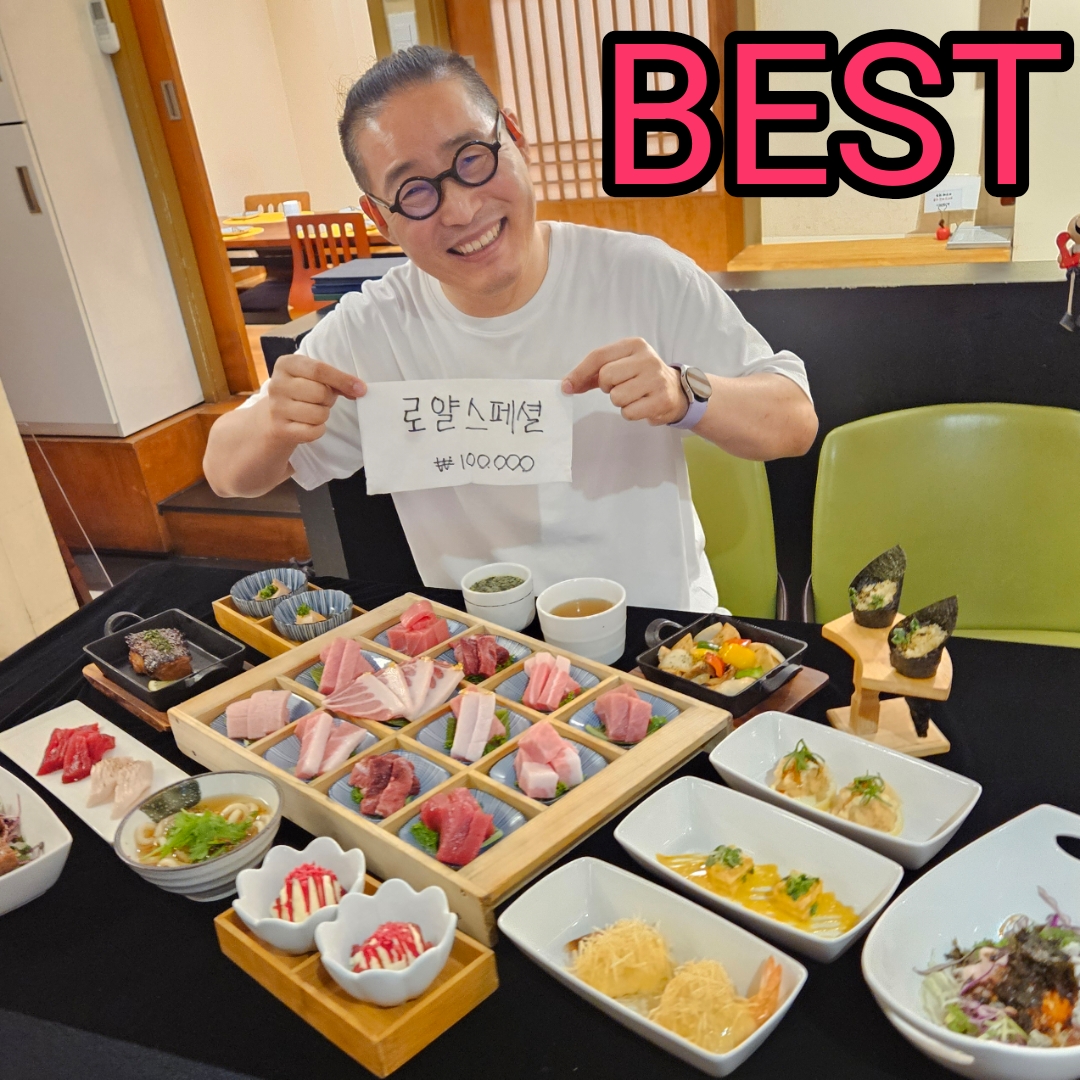
Experience the unique hospitality at Goldtuna
Meaning amplifies the impression of a special meal.
Food becomes the medium that anchors the memory of an event.
Ultimately, a great restaurant is one that protects and enhances that scene.
Why Goldtuna Focuses on the "Experience"
I often think about what guests take home with them.
"The tuna was delicious" is high praise.
But what lasts even longer is the feeling of that day.
The time spent in comfortable conversation, the flow of each piece served,
and the lingering mood after the meal.
This is why the "Yellow Notes" at Goldtuna are so meaningful.
Guests don't just write down the names of the tuna parts.
They leave a piece of their heart.
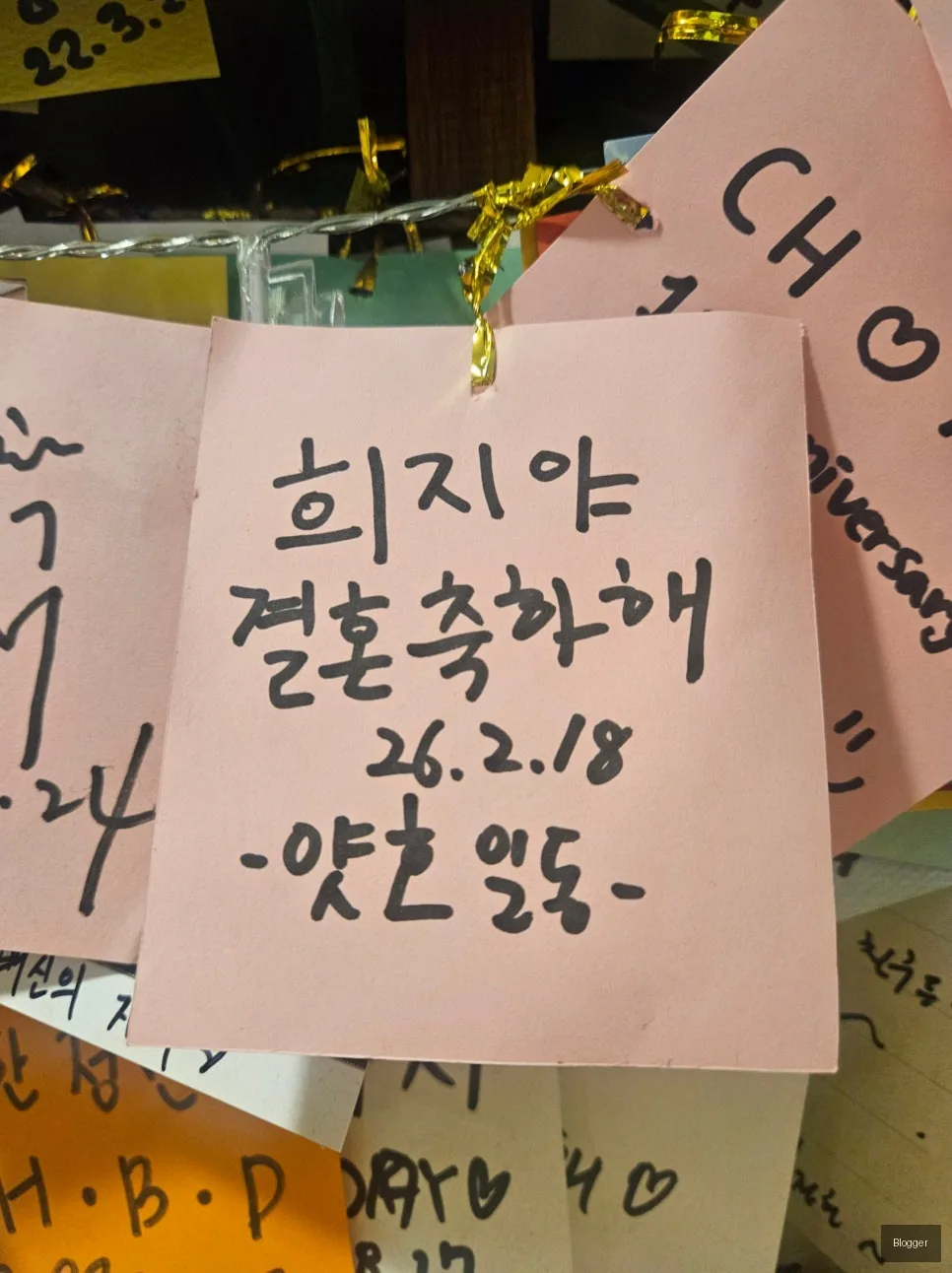
A meal leaves a memory.
They write about who they came with and why it was special.
Seeing these makes it clear:
Guests aren't just consuming food; they are leaving a piece of their lives with us.
Memory is What Brings Guests Back
While it seems like the tongue decides on a return visit,
it is usually the memory that makes the choice.
Just "tasting good" isn't enough.
A positive lingering feeling is what drives people back.
The warmth of that day's "scene" is what stays top-of-mind.
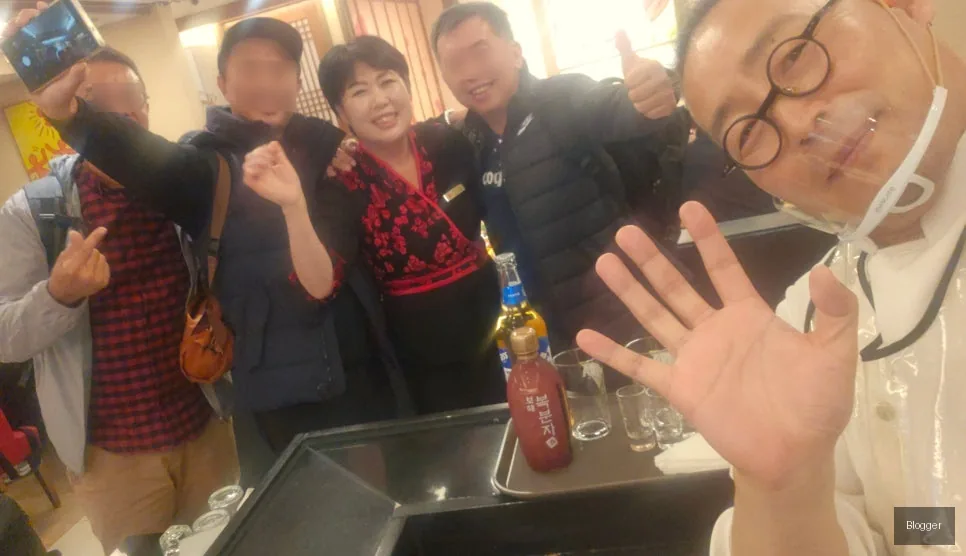
Memory: The power that brings you back.
That's why a truly great restaurant
doesn't just prepare today's meal.
It prepares the reason for you to remember it tomorrow.
Taste is a moment,
but memory is forever.
And what lasts forever ultimately becomes the brand.
Menu Guide & Course Order & Basic Information
Lunch: Lunch B Course (35,000 KRW), Lunch A Course (45,000 KRW), Lunch Special (60,000 KRW)
Dinner: VIP Special (80,000 KRW), Royal Special (100,000 KRW), Omakase Special (130,000 KRW)
|
① Tuna Porridge → ② Tuna Salad → ③ Fish Ball → ④ Grilled Mushrooms → ⑤ Main Tuna Sashimi → ⑥ 2-pc Sushi Set → ⑦ Service Tuna → ⑧ Ankimo (Monkfish Liver) → ⑨ Grilled Mero (Chilean Sea Bass) → ⑩ Beef Tteok-galbi → ⑪ Tuna Karaage → ⑫ Creamy Fried Shrimp → ⑬ Udon → ⑭ Maki → ⑮ Ice Cream |
◆ Store Concept: Premium Tuna Specialty (Korean-Chinese-Japanese Fusion 15-Course Omakase)
◆ Menu Features: Use of No. 9 Grade Tuna (250kg+ class) / Signature Diced Tuna Cut / Custom Cypress Trays
◆ Recommended Gatherings: Bangi-dong dates, Garosu-gil blind dates, private room family gatherings, wedding invitation meals, corporate dinners
◆ Customer Trust: 45,000 cumulative reservations / 80% return rate / Naver rating: Bangi 4.7, Sinsa 4.9
◆ Special Services: Tuna Steak substitution for non-tuna eaters / "Somaek Auntie" Drink-makase service / Wedding invitation celebrations (Bangi) / Lettering service (Sinsa)
Reservations & Inquiries
Goldtuna Bangi-dong: 109-11 Bangi-dong, Songpa-gu, Seoul
Reservation: 0507-1420-7747
Directions: 4 min from Songpanaru Station, 10 min from Jamsil Station
Valet: Managed via the Nolboo Sulfur Duck Jamsil booth
Goldtuna Sinsa-dong: 532-2 Sinsa-dong, Gangnam-gu, Seoul
Reservation: 0507-1394-0484
Directions: 10 min walk from Sinsa Station or Apgujeong Station
Valet: Call upon arrival and we will assist with parking.
People consume food.
But what brings them back is the memory.
The scent, the atmosphere, the conversation, the emotions, and the company.
All of these create the impression of a meal.
This is why some meals just fill your stomach, while others linger in your mind forever.
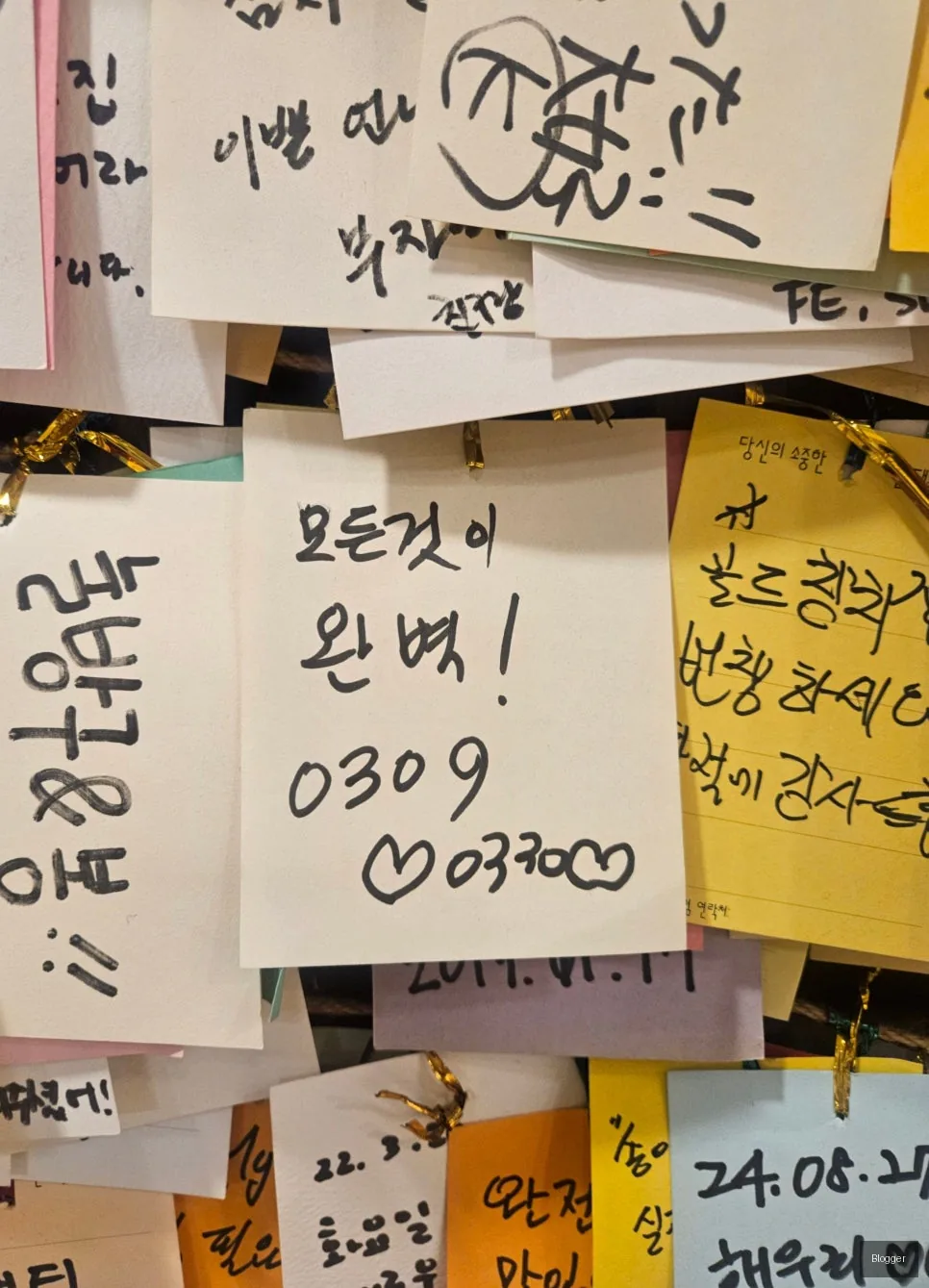
Customer Review: "Everything was perfect!"
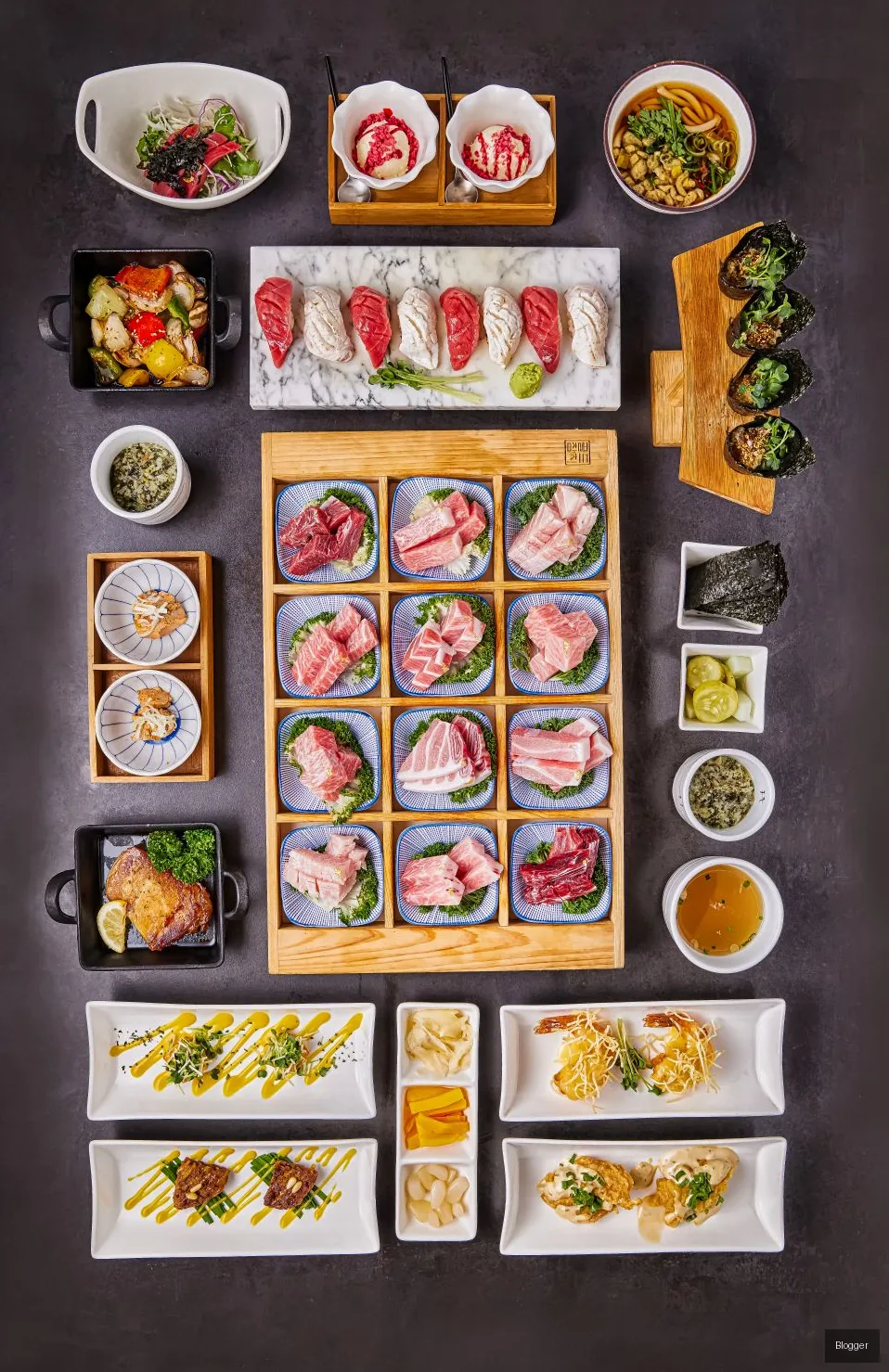
The signature 15-course omakase spread at Goldtuna
This is why Goldtuna emphasizes the experience.
Simply serving high-quality tuna is not enough.
Only when the scene of that day remains positive can a meal truly be considered complete.
If you search for Goldtuna on Naver,
you will see why our guests talk about the time they spent as much as the food itself.

.jpg)

댓글
댓글 쓰기