Why Tuna Thickness Matters: The Secret of Cube-Cutting Texture
[The taste of tuna is not determined by the raw material alone. The thickness of a single piece transforms the texture, the chewing time, the development of flavor, and even the lingering aftertaste. We explore the reasons why Goldtuna views thickness as a fundamental principle.]
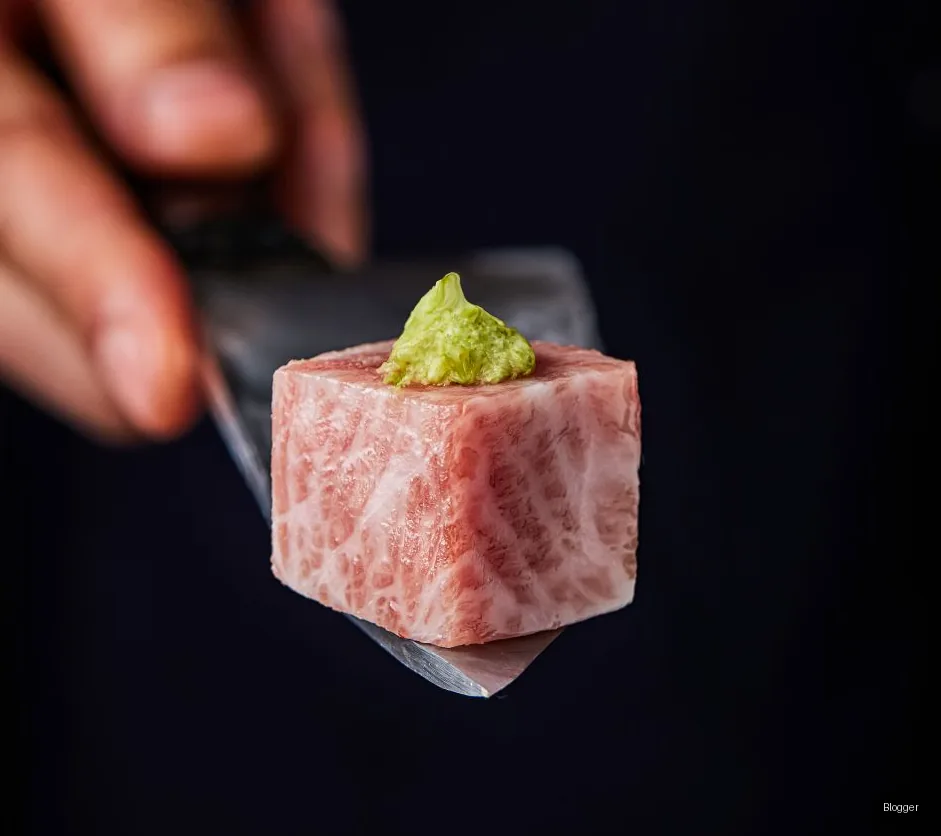
Goldtuna Signature Diced Cut (Kkaktuk-sseolgi)
Using high-quality ingredients and
leaving a high-quality taste are not the same thing.
Depending on how the same piece of tuna is sliced,
the experience in your mouth completely changes.
That is why thickness is not merely a matter of presentation.
It is a matter of designing the very structure of flavor.
“Even with the same tuna,
presence is determined by thickness.”
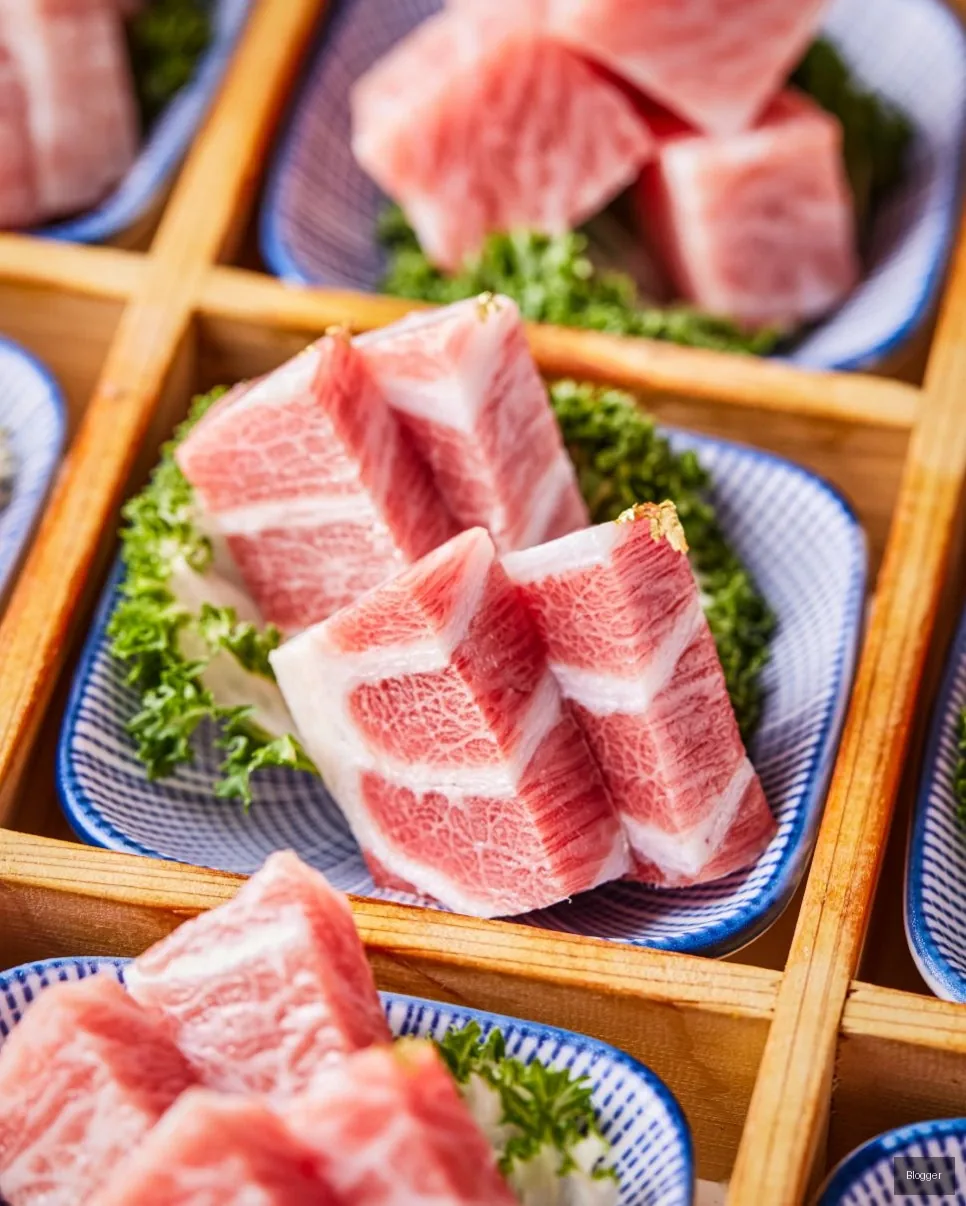
Thickness provides an entirely different level of flavor.
Flavor is Completed by Texture (Sikgam).
Humans do not judge food with the tongue alone.
Taste is created by a combination of temperature, aroma, touch, stimulation, and the movement within the mouth.
In other words, how you perceive the food is just as important as what you are eating.
Aromas become clearer when taste, smell, temperature, and texture work together.
Texture (Sikgam) directly impacts the perception of food quality and overall satisfaction.
Ultimately, thickness is the architectural design of texture.
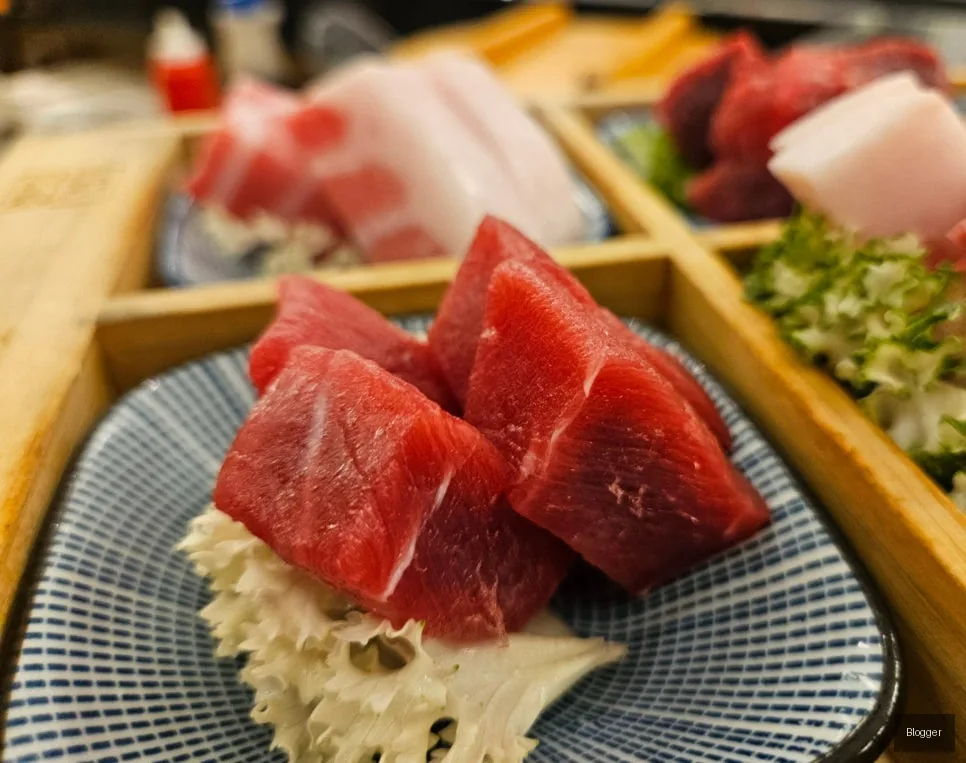
Bluefin Tuna Akami (Lean Red Meat)
As thickness changes, chewing time changes.
Thinly sliced food passes through quickly.
Thicker food lingers in the mouth a bit longer.
This difference is more significant than you might think.
While chewing, food breaks down, mixes with saliva, and changes texture and flavor in the process.
Thus, thickness is not just a shape; it changes the duration of the experience inside the mouth.
When chewing time and mouth movement change, the way we perceive flavor also shifts.
Different thickness creates a different chewing rhythm, which leads to a unique mouthfeel.
The longer a single piece stays, the stronger its presence becomes.
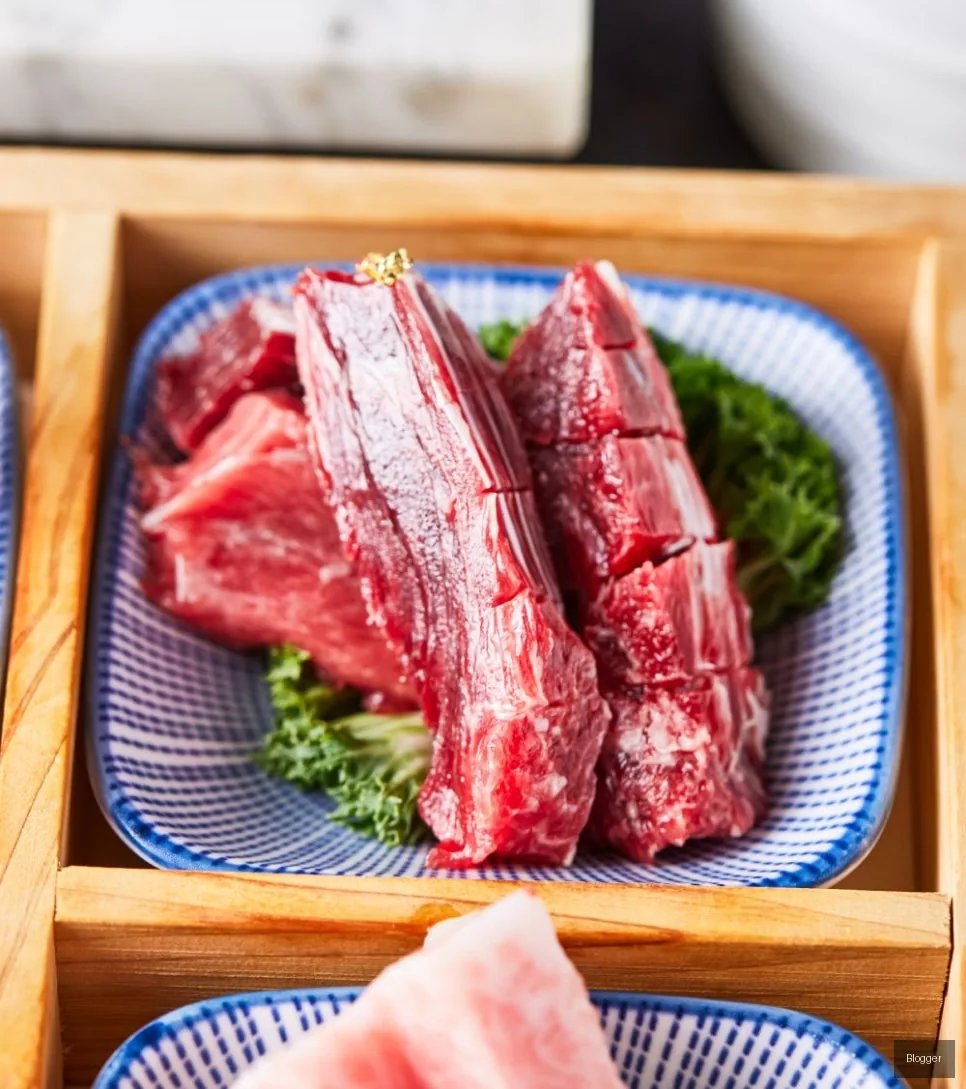
Bluefin Tuna Collar Meat with the flavor of beef tartare
Flavor unfolds more while chewing.
Tuna tells more of its story during the act of chewing
than it does the moment it enters your mouth.
As you chew, fats and proteins are released,
and the texture continuously evolves.
Research shows that flavor components change during oral processing.
Therefore, when thickness varies, the way flavors emerge can also differ.
Ultimately, the thickness of one slice affects the speed and the lingering finish of the flavor.
If thin, the flavor passes through shortly and quickly.
If thick, the development of flavor and oils can be extended while chewing.
Tuna is a food that is particularly sensitive to these differences.
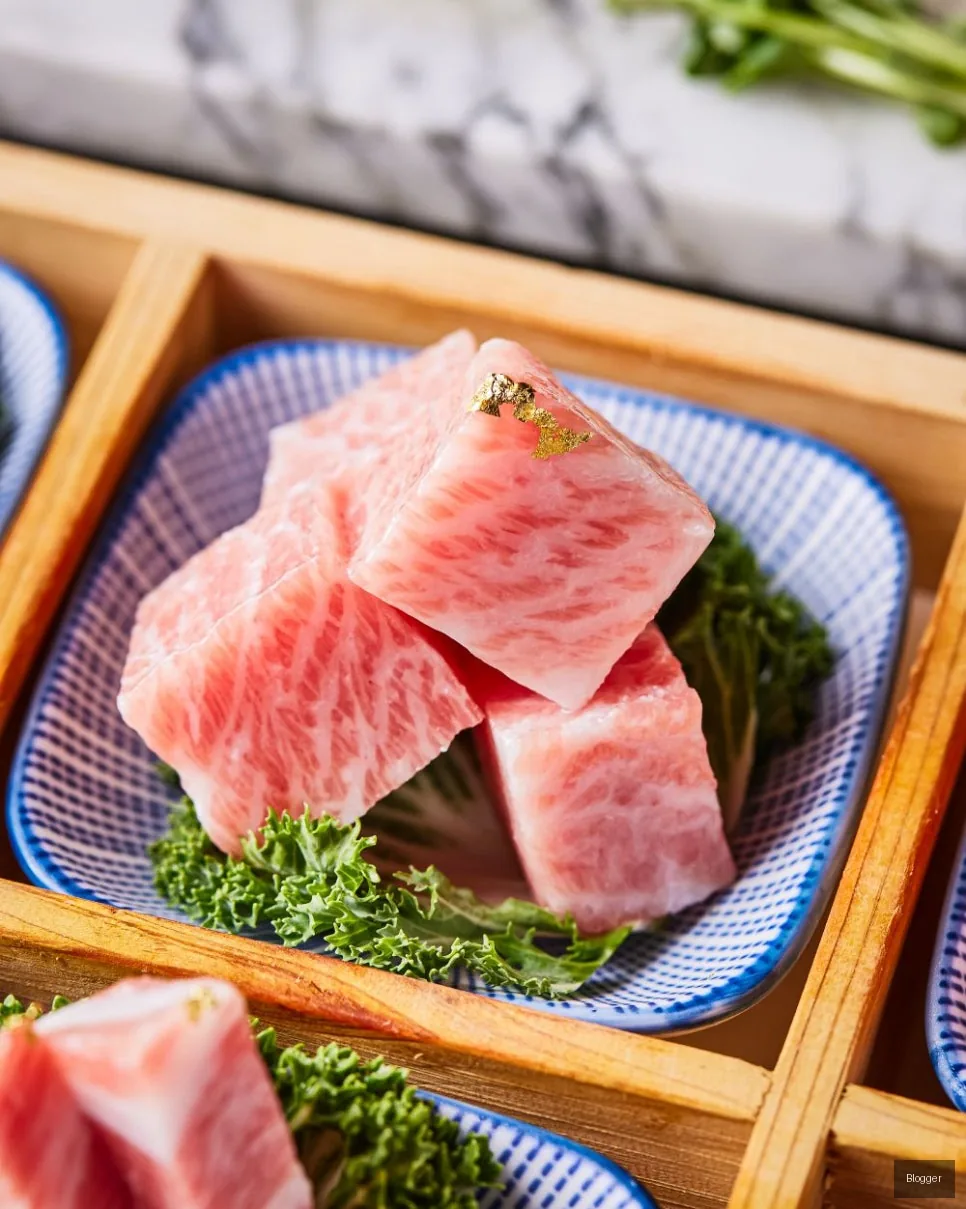
Cubed Bluefin Tuna
Thickness creates presence rather than just satiety.
Slicing tuna thickly
is not about simply trying to make the portion look large.
The core is "presence."
It is a matter of how clearly a single piece is felt in the mouth,
how much it comes alive as you chew,
and how long it remains in your memory after the meal.
A truly good piece of tuna doesn't just pass through.
It stays, dissolves, and lingers.
Thus, thickness is not an exaggeration; it is a design.
A thin slice may be clean, but its impression can be weak.
A thick slice leaves a much clearer texture and aftertaste.
Memorable food usually has a distinct presence.
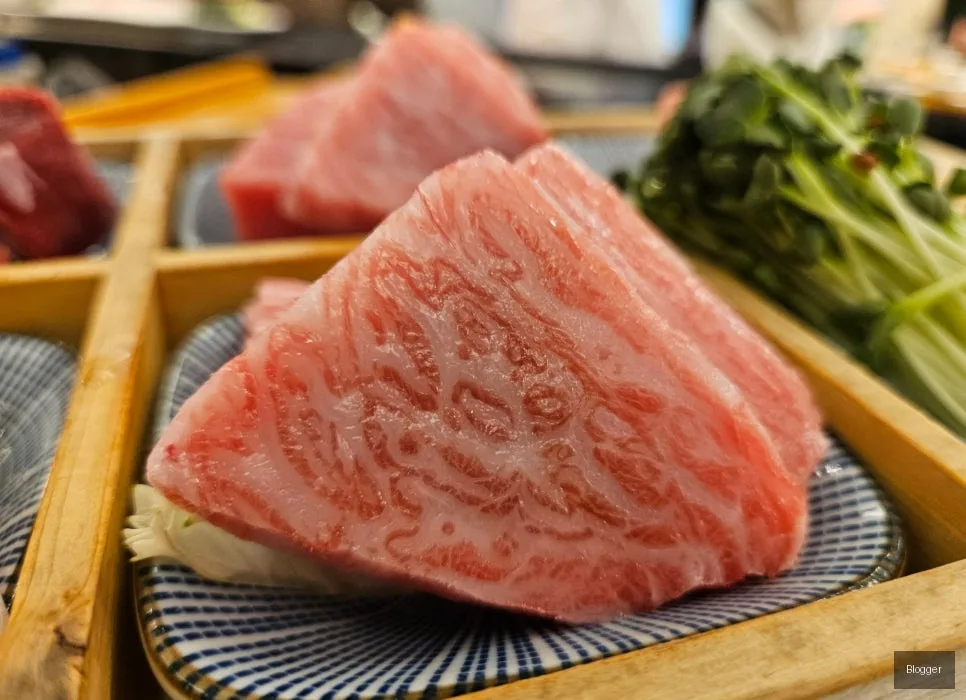
Bluefin Tuna Kamasal (Neck/Jowl meat)
Why Goldtuna Prioritizes Thickness
Rather than making tuna just look thin and pretty,
I choose to make it felt in your mouth.
Great tuna needs more than just softness.
There must be the joy of chewing,
the time for the fat marbling to melt,
and a vivid impression left by every single slice.
Therefore, thickness at Goldtuna is
not a technique, but a principle.
So that a piece does not vanish too quickly.
So that flavors unfold while chewing.
So that the texture of the marbling comes alive.
When you consider these things,
thickness becomes a standard, not a preference.
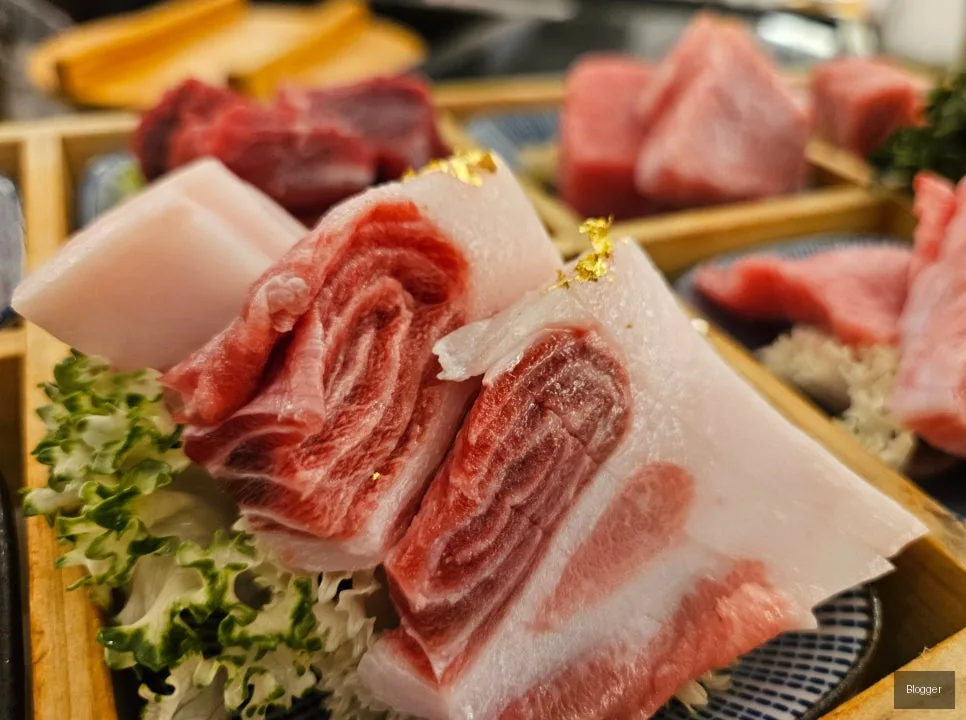
Bluefin Tuna Baekopsal (Belly Meat)
Ultimately, thickness determines the speed of taste.
Taste is not remembered by intensity alone.
It is also remembered by speed and rhythm.
There are flavors that pass by quickly,
and flavors that open up slowly.
Tuna is a food that belongs to the latter.
It must linger a little,
it must dissolve a little,
and it must remain a little.
Because that thickness changes the speed of texture,
alters the flow of taste,
and ultimately transforms the density of your memories.
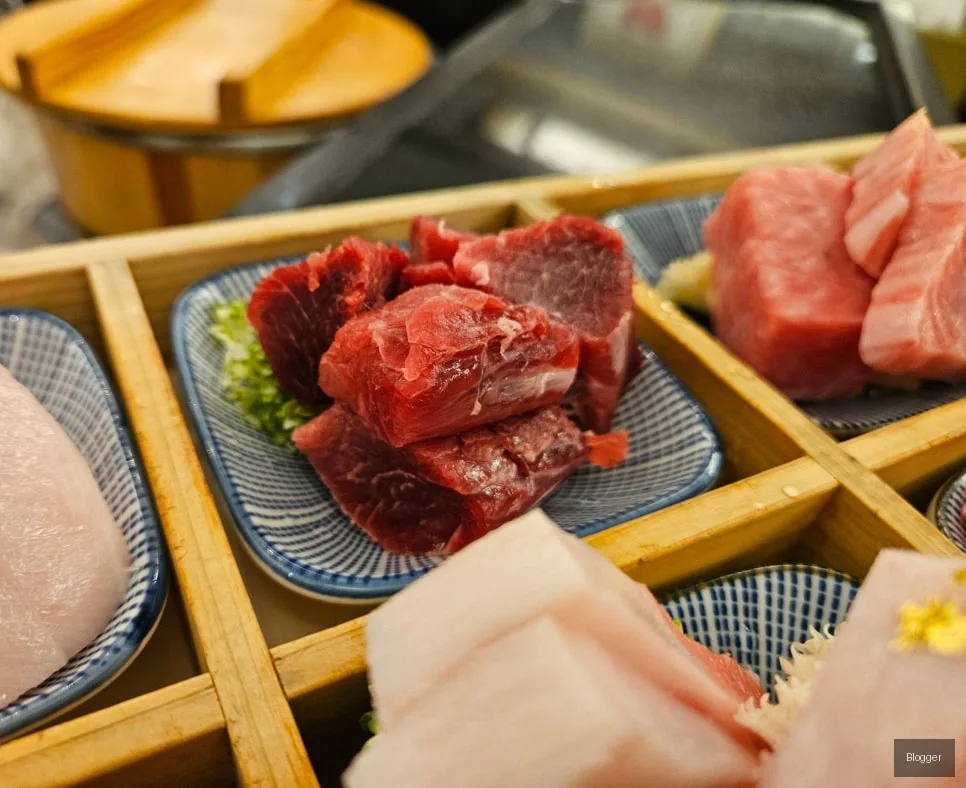
Bluefin tuna neatly prepared for serving
Menu Guide & Course Sequence & Essential Information
Lunch: Lunch Course B (35,000 KRW), Lunch Course A (45,000 KRW), Lunch Special (60,000 KRW)
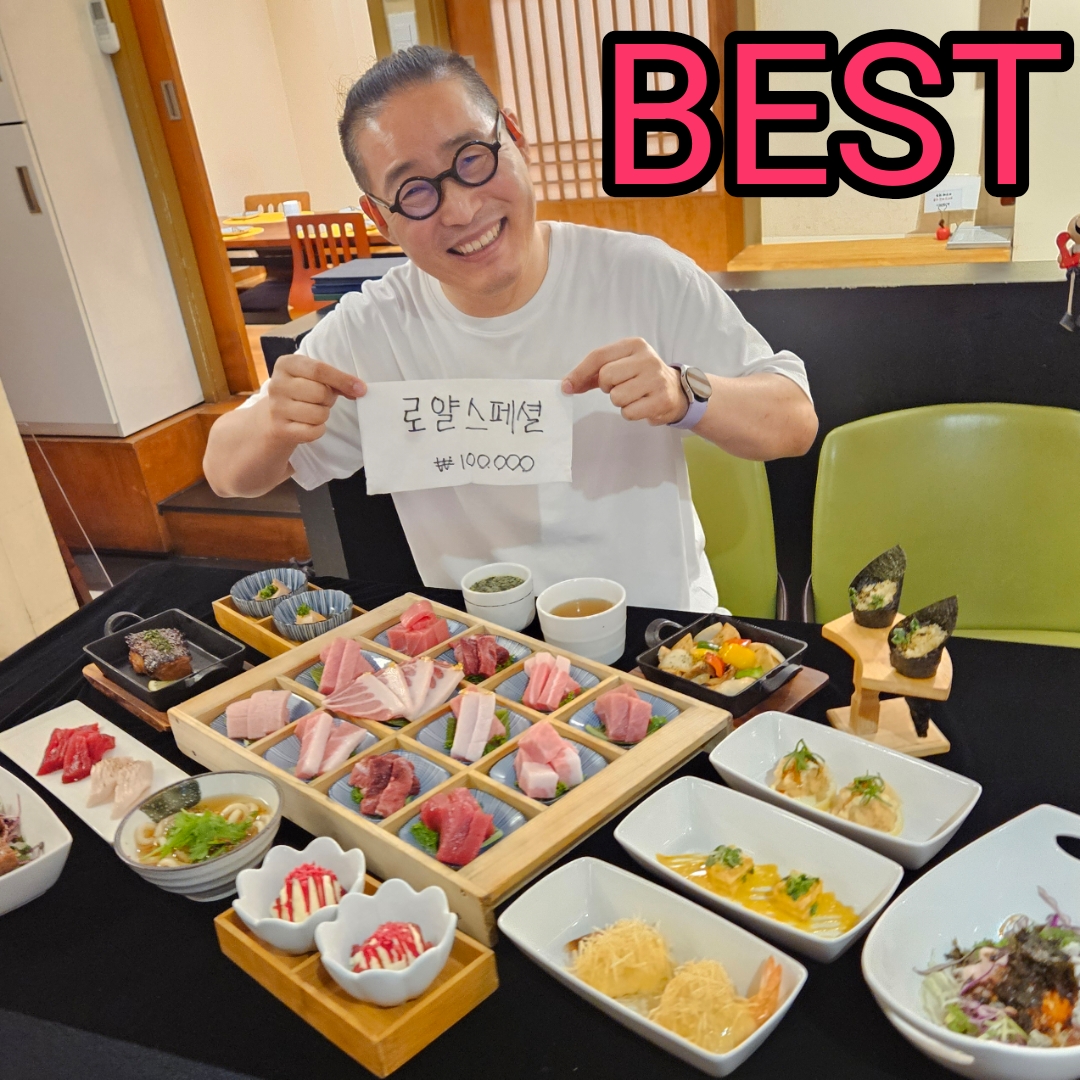
Dinner: VIP Special (80,000 KRW), Royal Special (100,000 KRW), Omakase Special (130,000 KRW)
|
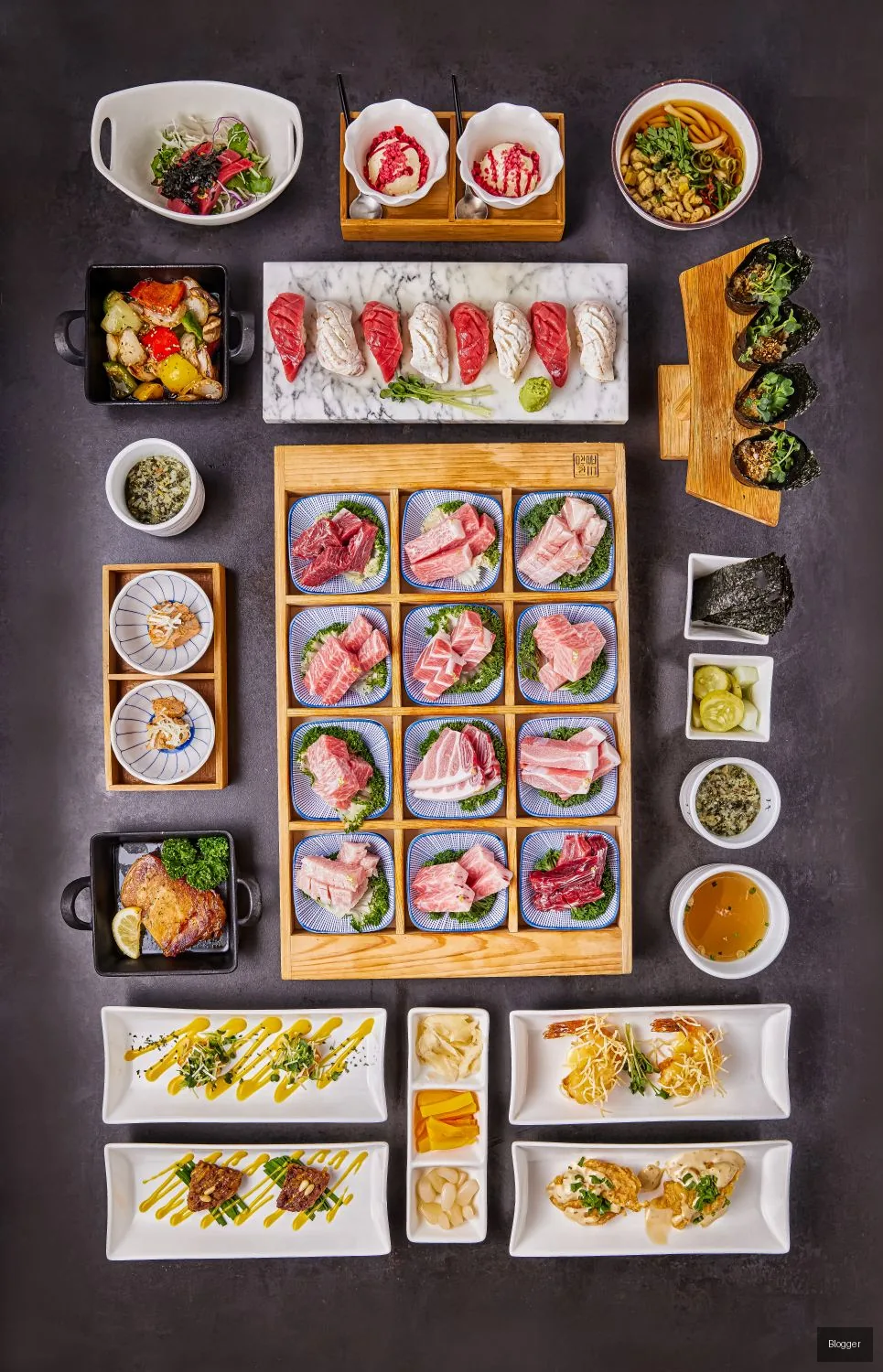
① Tuna Porridge → ② Tuna Salad → ③ Fish Ball → ④ Grilled Mushrooms → ⑤ Main Tuna Sashimi → ⑥ Two-piece Sushi Set → ⑦ Tuna Service → ⑧ Ankimo (Monkfish Liver) → ⑨ Grilled Mero (Chilean Sea Bass) → ⑩ Beef Tteok-galbi (Grilled Short Rib Patties) → ⑪ Tuna Karaage → ⑫ Cream Shrimp Tempura → ⑬ Udon → ⑭ Maki → ⑮ Ice Cream |
◆ Store Concept: Premium Tuna Specialist (15-course Omakase fusion of Korean, Chinese, and Japanese styles)
◆ Menu Features: Uses 250kg+ class Bluefin Tuna No.9 / Signature Diced Cut / Custom-made Hinoki Cypress trays
◆ Recommended for: Bangi-dong dates, Garosu-gil blind dates, private room family gatherings, wedding invitation dinners, corporate dinners
◆ Customer Reliability: 45,000 cumulative reservations / 80% return rate / Naver rating: Bangi 4.7, Sinsa 4.9
◆ Special Services: Substitution with 'Tuna Steak' for non-tuna eaters / Somaek (Beer+Soju) 'Jumakase' service / Wedding invitation celebration event (Bangi branch) / Lettering service (Sinsa branch)
Reservation Sites & Inquiry
Goldtuna Bangi Branch (송파구 방이점): 109-11 Bangi-dong, Songpa-gu, Seoul

Reservation: 0507-1420-7747
Directions: Songpanaru Station (4 min), Jamsil Station (10 min)
Valet: Integrated management at the Nolbu Sulfur Duck Jamsil booth
Goldtuna Sinsa Branch (강남구 신사점): 532-2 Sinsa-dong, Gangnam-gu, Seoul
Reservation: 0507-1394-0484
Directions: Sinsa Station, Apgujeong Station - (10 min walk)
Valet Parking: Please call upon arrival and we will assist with parking.

.jpg)

댓글
댓글 쓰기