Why Tuna Tastes So Different: 7 Key Quality Factors
The taste of tuna is not determined by fat alone. We explore the seven elements that define the flavor of a single piece of tuna: fat profile, tissue elasticity, umami, inherent aroma, moisture, color and marbling, and freshness.
When eating tuna, we often describe it as "fatty," "soft," or "savory."
However, it is difficult to explain the taste of a single piece of tuna through fat alone. The texture of the muscle, umami, inherent aroma, and moisture levels all work together. Even before taking a bite, the color and marbling influence our judgment of quality.
Here, Goldtuna outlines the 7 elements of tuna flavor that we consider essential in the field.
The taste and quality of tuna are created through a combination of fat, texture, umami, aroma, moisture, color, marbling, and freshness.
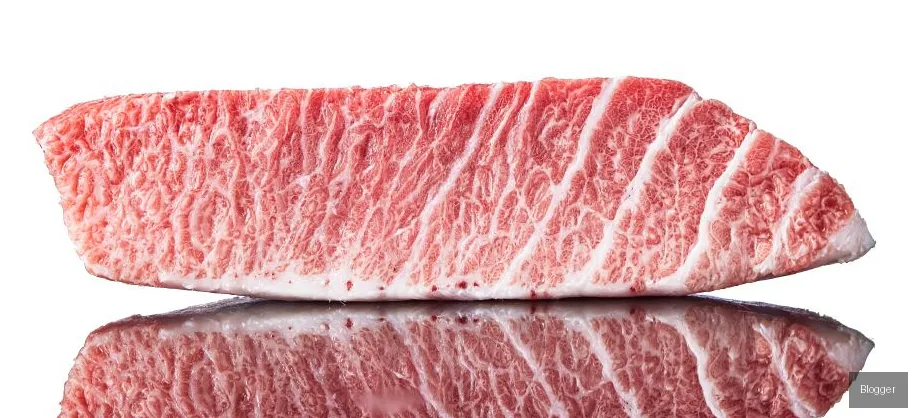
This is the Bluefin tuna No. 1 belly (Otoro).
1. The Flavor Profile of Fat
The primary appeal of Bluefin tuna belly is its fat.
Fat creates a savory and rich flavor and influences the meltingly soft texture in the mouth.
However, fat isn't just about quantity. The taste and mouthfeel change depending on how it is distributed between the muscle fibers and which specific cut it comes from.
This is why we distinguish between the Kama (collar), No. 1 belly, and No. 2 belly even within the same Bluefin tuna.
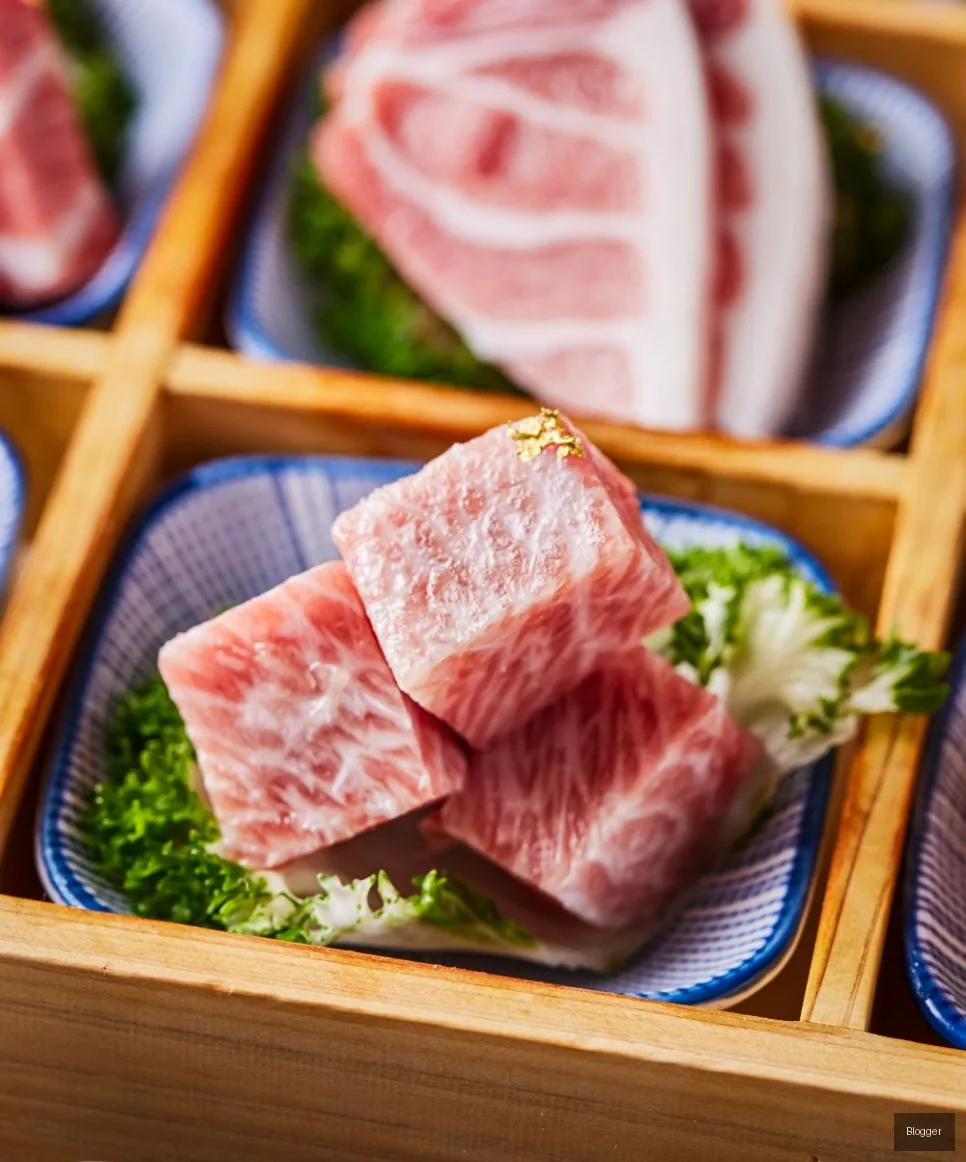
Cube-cut—you can visually confirm the rich flavor profile of the fat.
2. Tissue Density and Elasticity
Premium tuna isn't necessarily just soft.
It requires density and elasticity that allow it to melt in the mouth while the structure remains resilient when chewed.
This texture varies based on the size of the original fish, the specific cut, and the freezing/thawing conditions. One reason Goldtuna emphasizes large fish and premium cuts is the significant difference in this texture.
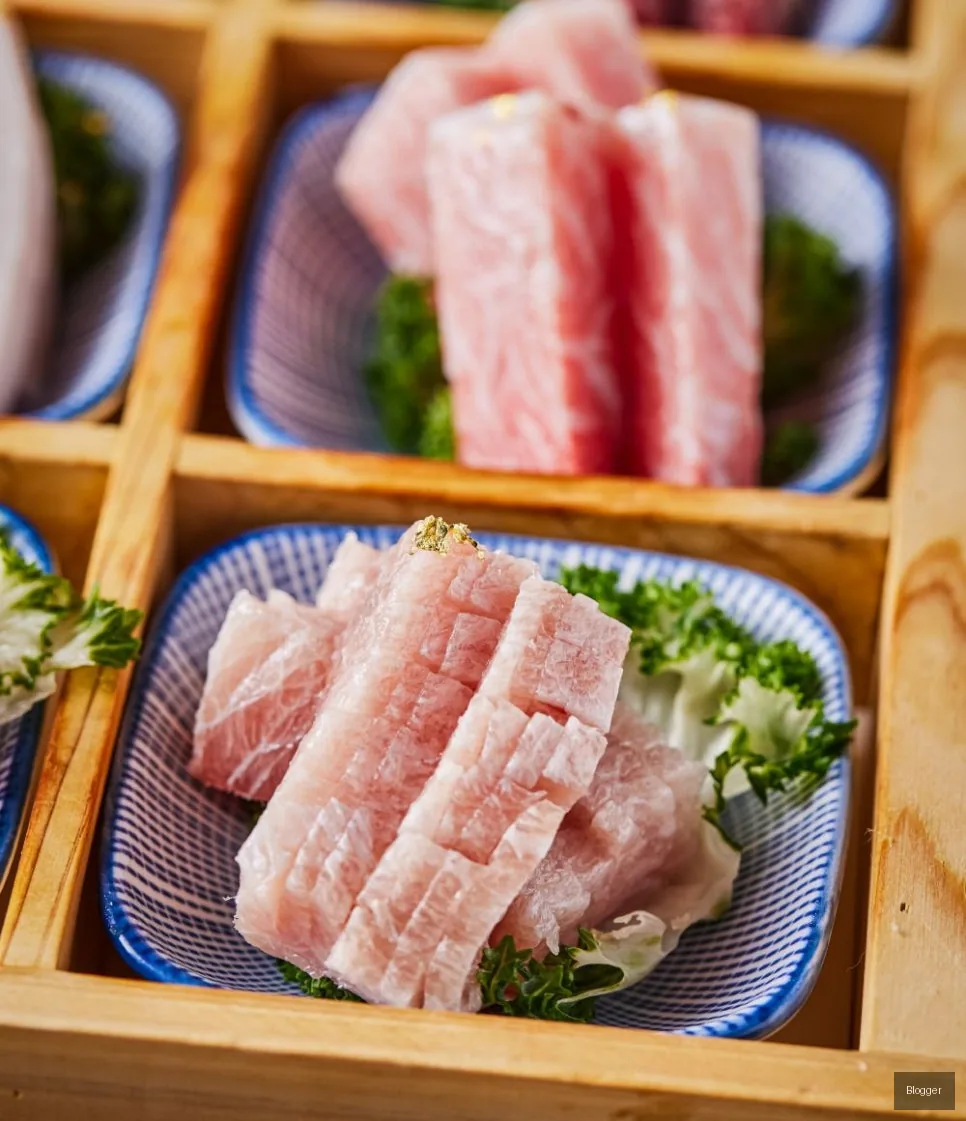
Front cut of Bigeye tuna belly. It offers a rich and crisp texture.
3. Umami
The taste of tuna isn't built solely on fat.
In Akami (lean tuna), nucleic acids like IMP (inosinic acid) and free amino acids contribute significantly to umami.
Therefore, you can experience a deep, clear flavor even in Akami, which is low in fat.
"The belly has the richness of fat, while high-quality Akami has the depth of umami."
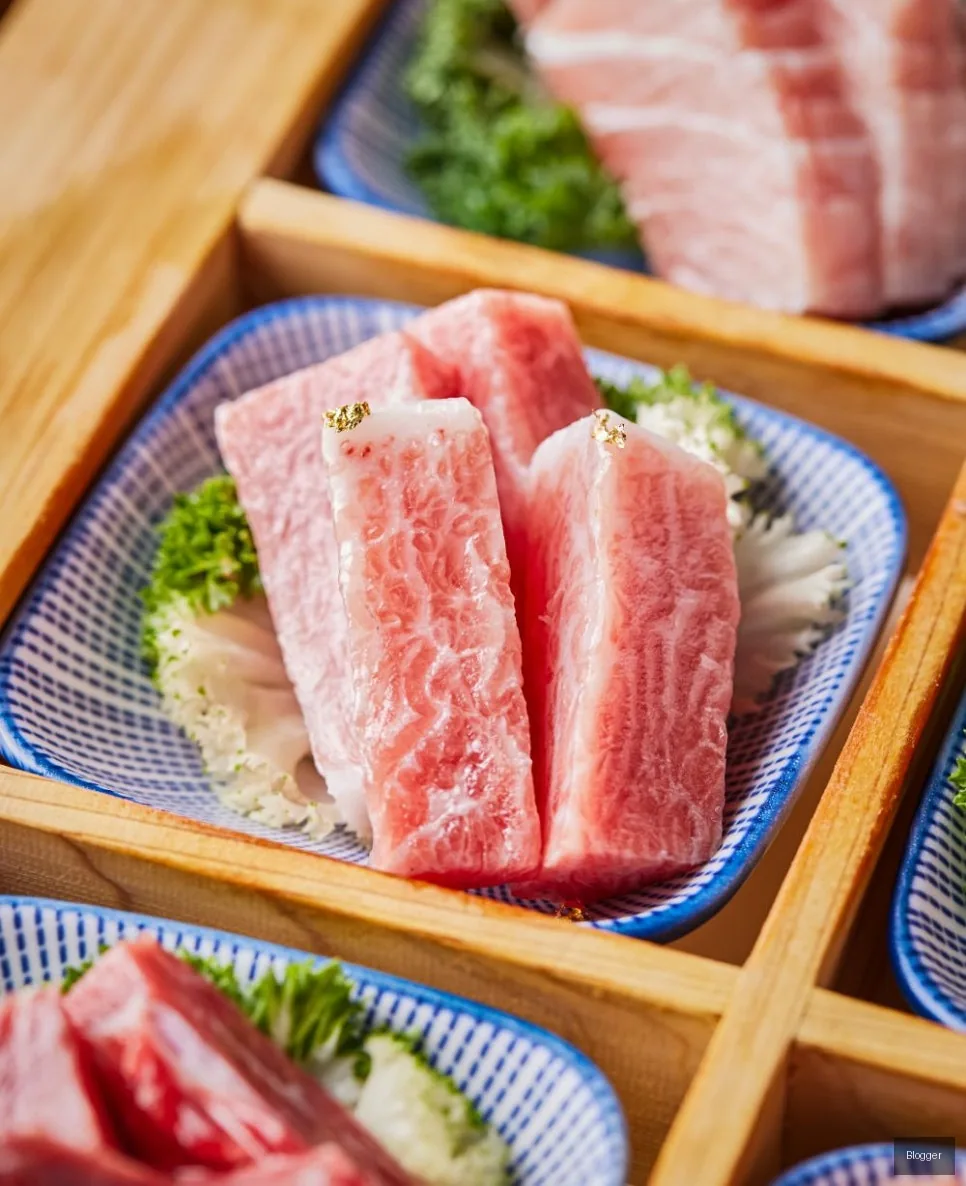
Nucleic acids and amino acids from the protein enhance the umami.
4. Inherent Aroma of Tuna
The aroma we speak of here is not a "fishy" smell. When we eat, we experience the taste through the tongue and the scent through the nose simultaneously. These two combine to create the overall flavor.
Tuna has its own unique scent.
The aroma of premium tuna is less a "strong" smell and more the state where the inherent fragrance of the raw material feels clean.
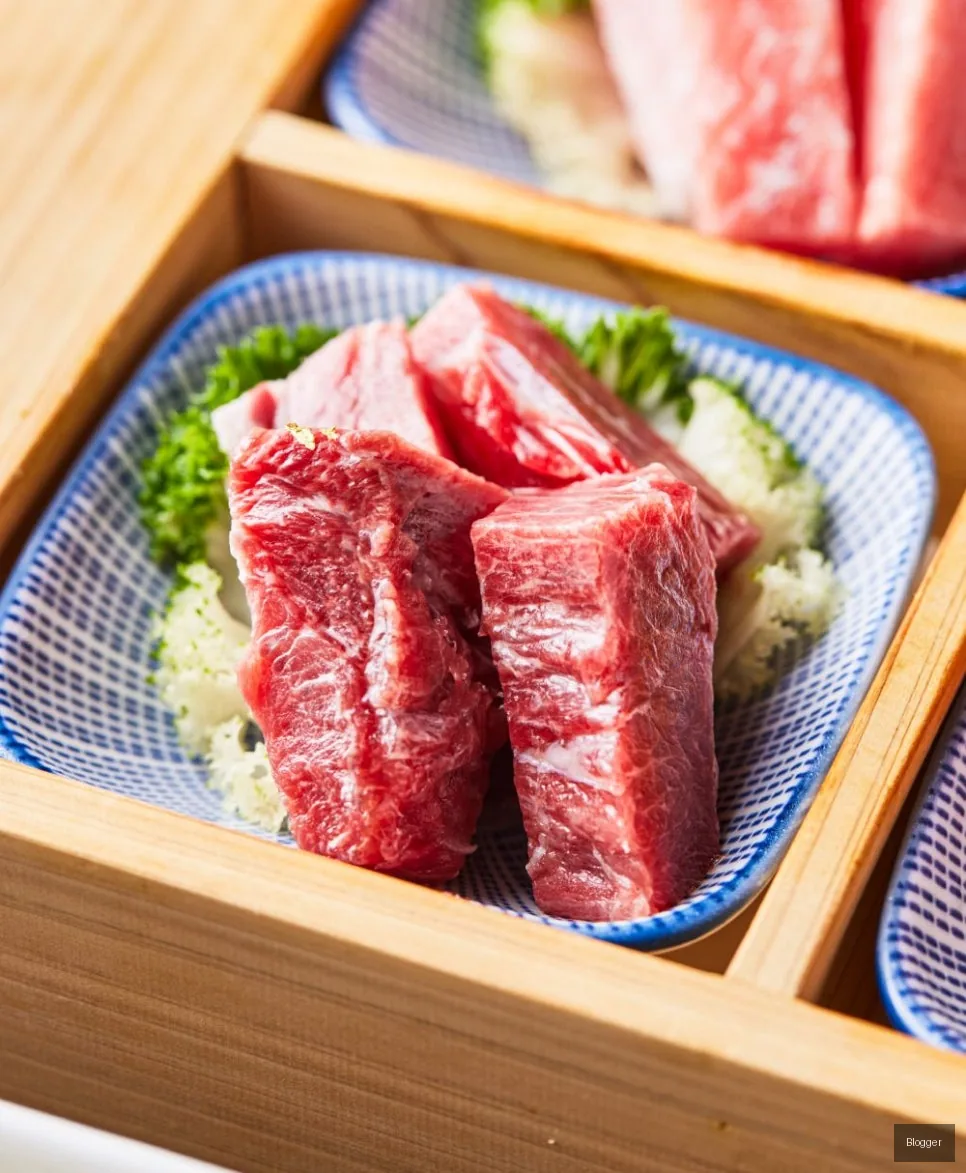
You can experience a unique aroma in fresh tuna.
5. Moisture Levels
Moisture also determines texture.
If too much moisture is lost, the tuna can become dry. Conversely, if too much thawing water escapes or remains on the surface, it can feel mushy or watery.
What matters more than the simple volume of moisture is whether the tissue is holding that moisture stably.
This is why Goldtuna carefully manages surface moisture after thawing.
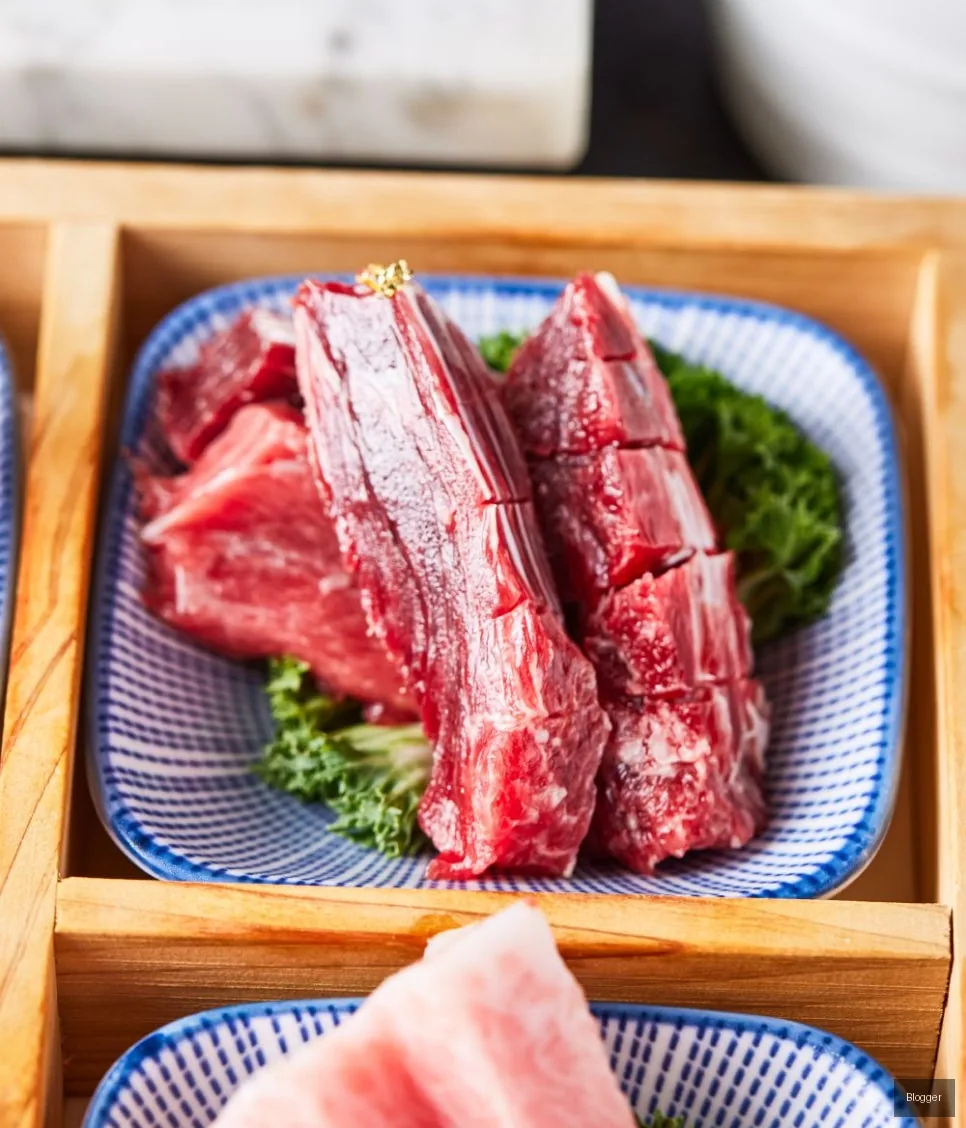
Moisture defines the final result of the tuna. Meticulous care is required.
6. Color and Marbling
We eat tuna with our eyes before we eat with our mouths.
The vivid red color and luster of Akami, and the grain of fat running through the belly, are visual cues used to judge the tuna's condition.
The pigment protein myoglobin plays a crucial role in that red color.
Simply put:
"Color is the face of Akami, and marbling is the face of the belly."
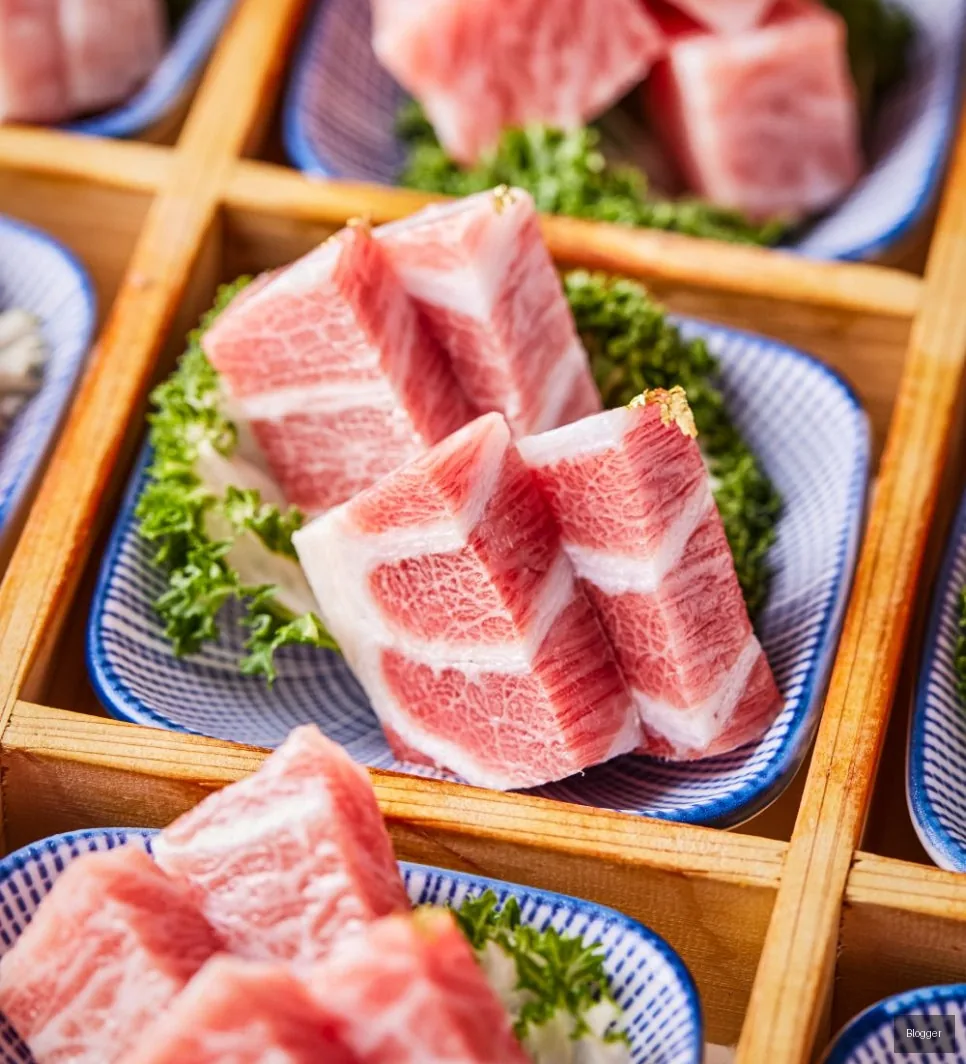
Tuna is a dish first enjoyed with the eyes.
7. Freshness
Freshness is slightly different from the other six.
It isn't a single "taste" but rather the comprehensive quality condition that maintains or alters umami, aroma, color, moisture, elasticity, and fat state.
Chemical changes continue in tuna even after it is caught. Therefore, freshness must be viewed as including the freezing, storage, and thawing processes, not just the catch date.
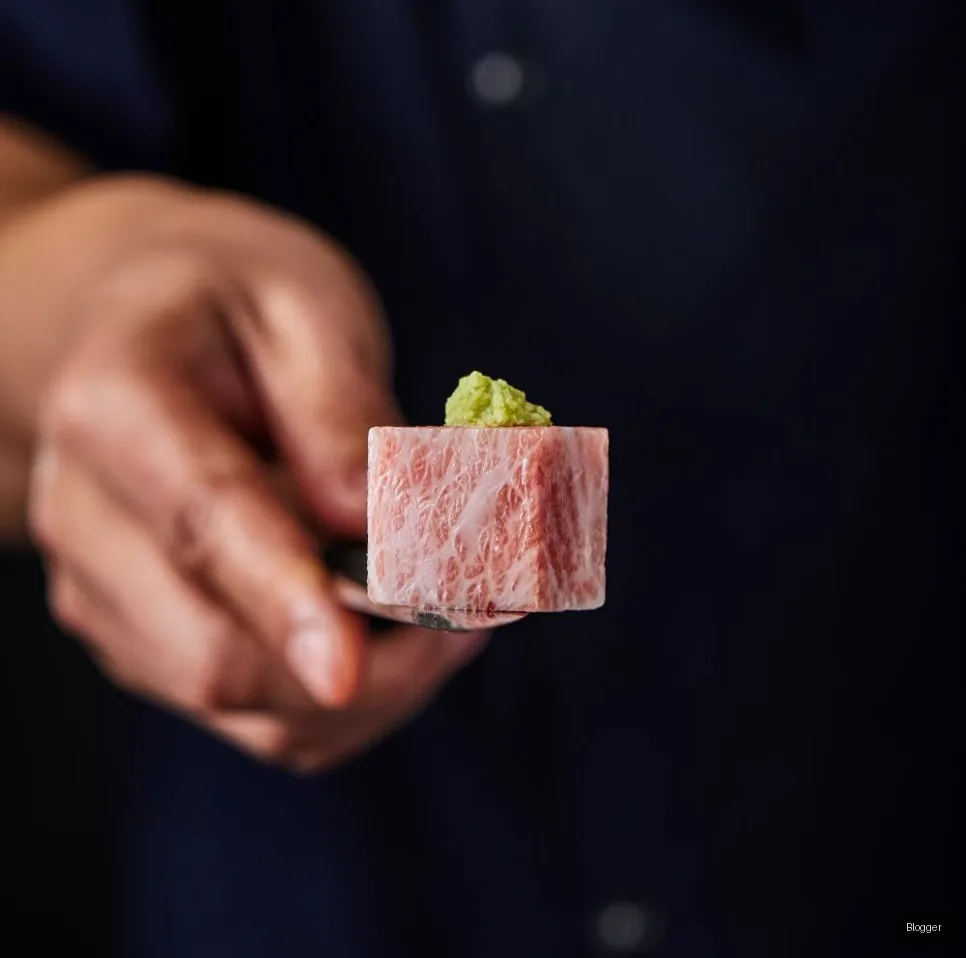
Freshness is the life of tuna. Well-managed tuna never tastes fishy.
Critical Factors Beyond the 7 Elements
Beyond these seven elements, there are critical conditions that precede them:
Which species is it?
How large is the fish?
Which cut is it?
How was it stored and thawed?
How was it cut?
Goldtuna selects large Bluefin tuna—at least 250kg, and typically around 350kg. Rather than using the whole fish, we selectively use specific cuts like the Kama, No. 1 and No. 2 belly, and high-quality front-end Akami.
It doesn't end with the raw material. Following the species, size, and cut, we view thawing, cutting, and moisture removal as a single integrated quality control process.
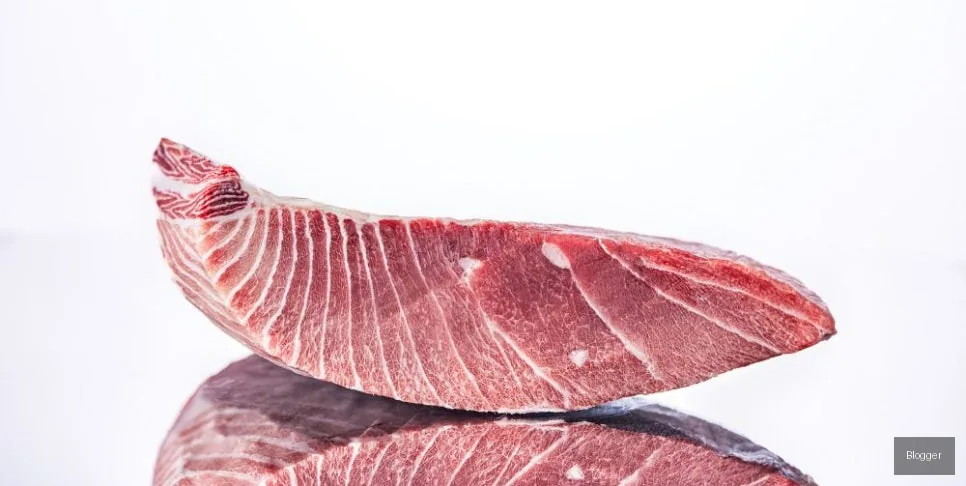
Southern Bluefin tuna belly. You can almost see the umami.
A Review from a Japanese Buyer at the Bangi Branch
Recently, a group of Japanese buyers visited Goldtuna Bangi Branch.
They were people with extensive culinary experience, and the review they left after finishing their meal was simple.
"An experience I haven't even had in Japan,
found here in Korea."
A single customer review doesn't objectively prove the quality of the tuna.
However, the feedback from visitors who have experienced diverse cuisines shows how Goldtuna's standards for raw materials and preparation are received at the table.
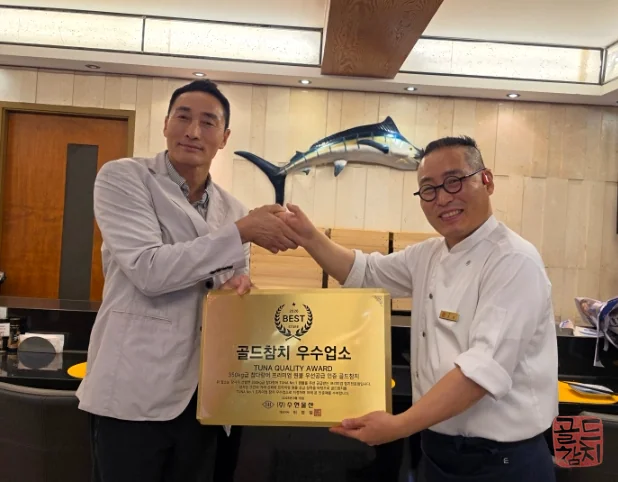
This is a photo of the Japanese buyer group, our staff, and Mr. Tuna after their meal at Goldtuna Bangi Branch. The group described the experience as "the best."
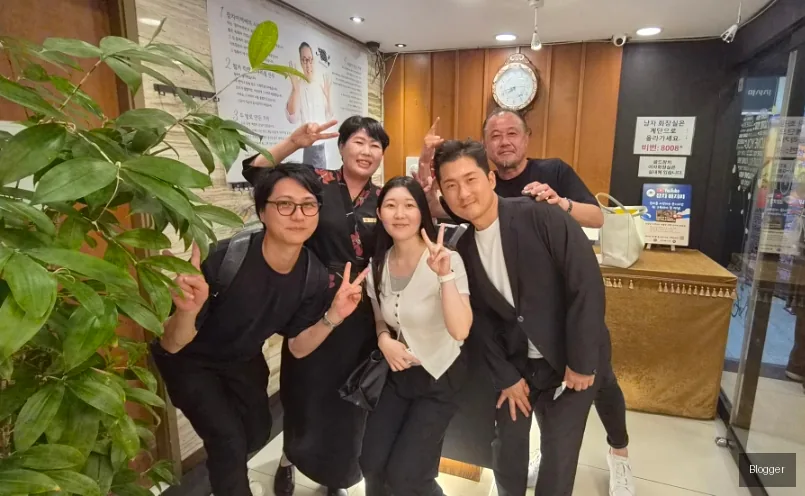
Commemorative photo after the Japanese buyers' meal at Goldtuna Bangi Branch
What Truly Makes Tuna "Premium"?
It's difficult to explain premium tuna through fat alone.
There is richness in the fat and resilience in the muscle. Akami holds umami, while moisture, aroma, color, and marbling complete the quality.
Goldtuna begins with the same questions whenever we assess tuna:
What kind of tuna is it?
How big is it?
Which part is it?
How do we maintain that condition until it reaches the guest?
The taste of a single piece of tuna is ultimately the result of this entire process.
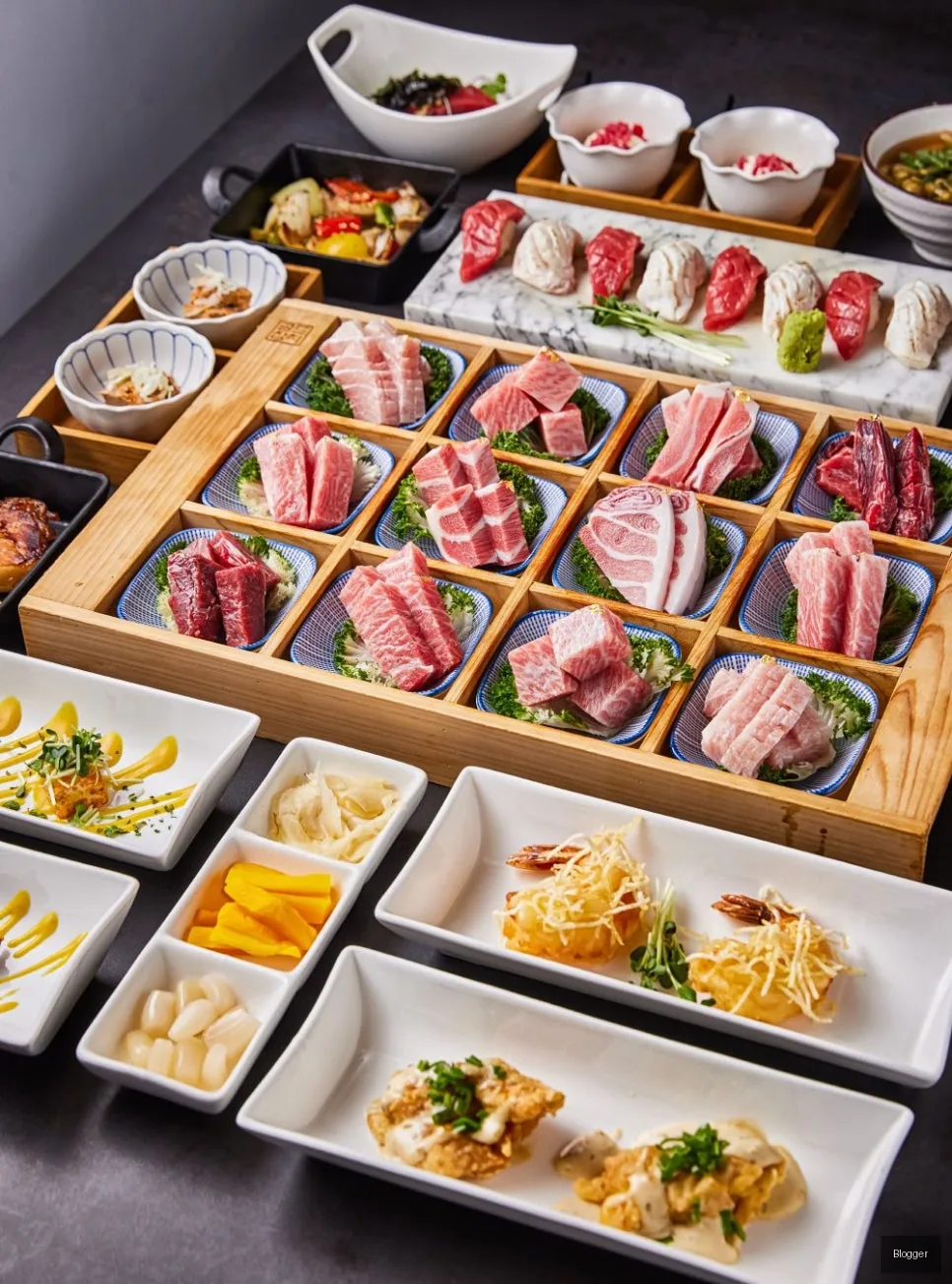
Full view of the Goldtuna 15-course omakase.
Goldtuna Branch Information
The location visited by the Japanese buyer group was the Goldtuna Main Branch in Bangi-dong, Songpa-gu, Seoul.
Goldtuna applies the same standards for raw material selection and preparation at both the Bangi and Sinsa branches.
Related Articles
Why does tuna taste different at every restaurant? The real factors behind the flavor.
While this article explains what we perceive as taste in tuna, the following post details why flavors vary according to species, size, and cut.
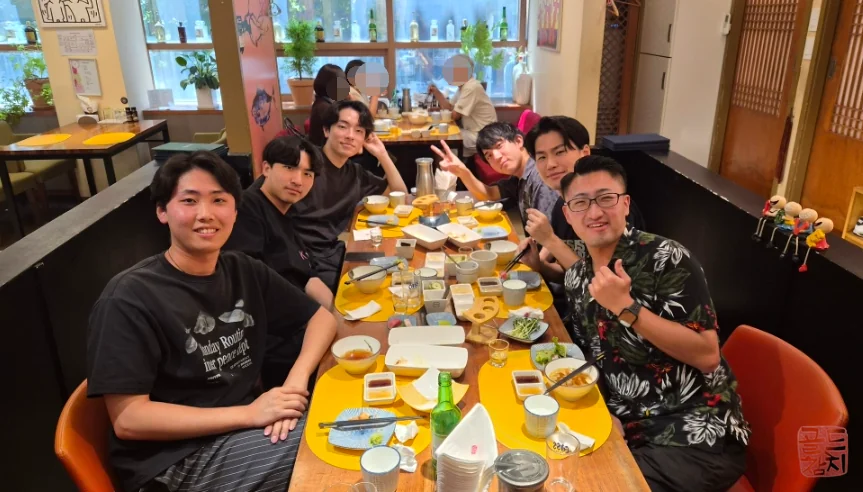
Bluefin Tuna Size and Cut Quality Guide, Tuna No. 9
This document explains Goldtuna's standards for selecting large Bluefin tuna and choosing specific cuts like the Kama and belly.

.jpg)

댓글
댓글 쓰기