Why I Eat Leftovers: Honest Feedback Beyond Star Ratings
In our kitchen, there is a specific type of guest we appreciate most.
We are grateful for those who offer verbal praise.
We are thankful for those who leave wonderful reviews.
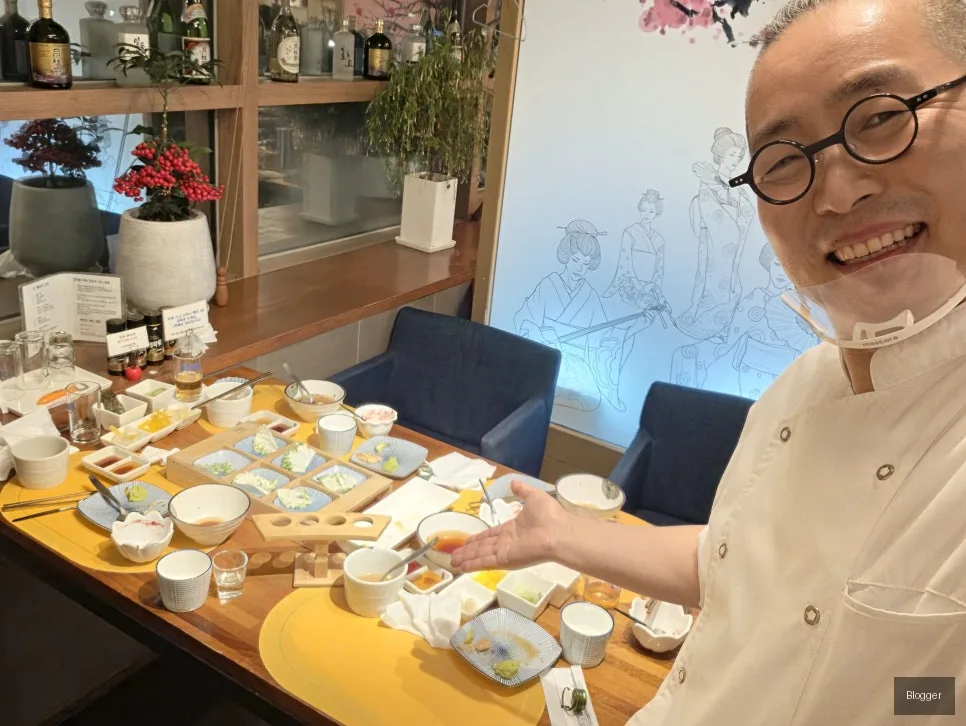
One of our most important tasks is observing the tables after our guests have finished.
Leftovers: The Silent Feedback Form Left by Guests
However, for the kitchen team, the ultimate compliment is simple:
It is when a guest finishes every single bite of their meal.
An empty plate speaks more accurately than any words.
If food is consistently left behind, there is always a reason.
It is the kitchen's duty to find out why.
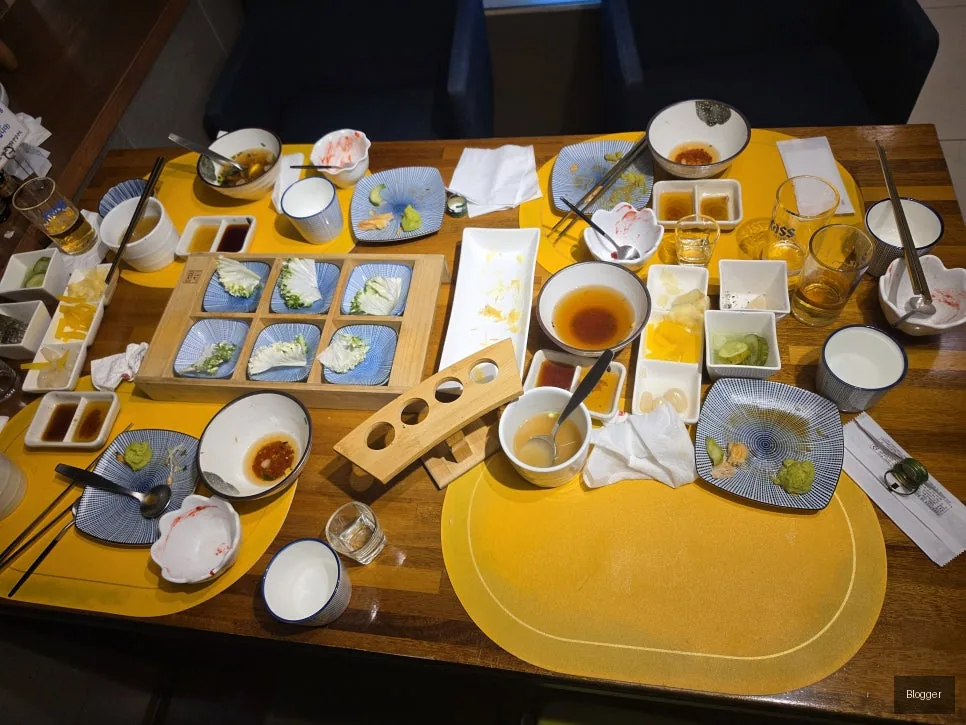
Nothing makes us happier than seeing a clean plate.
Taste is More Personal Than You Might Think
Defining "taste" can be quite elusive.
Seasoning that is perfect for one person might be too salty for another.
A texture that one guest finds meltingly soft, another might find too rich or oily.
We all grow up with different flavors, and our bodies remember those differences.
Taste is not just about the tongue; it's about experience.
Running a tuna omakase (chef's choice course) means acknowledging these individual differences.
While we cannot satisfy 100% of guests every single time, it is our duty to try.
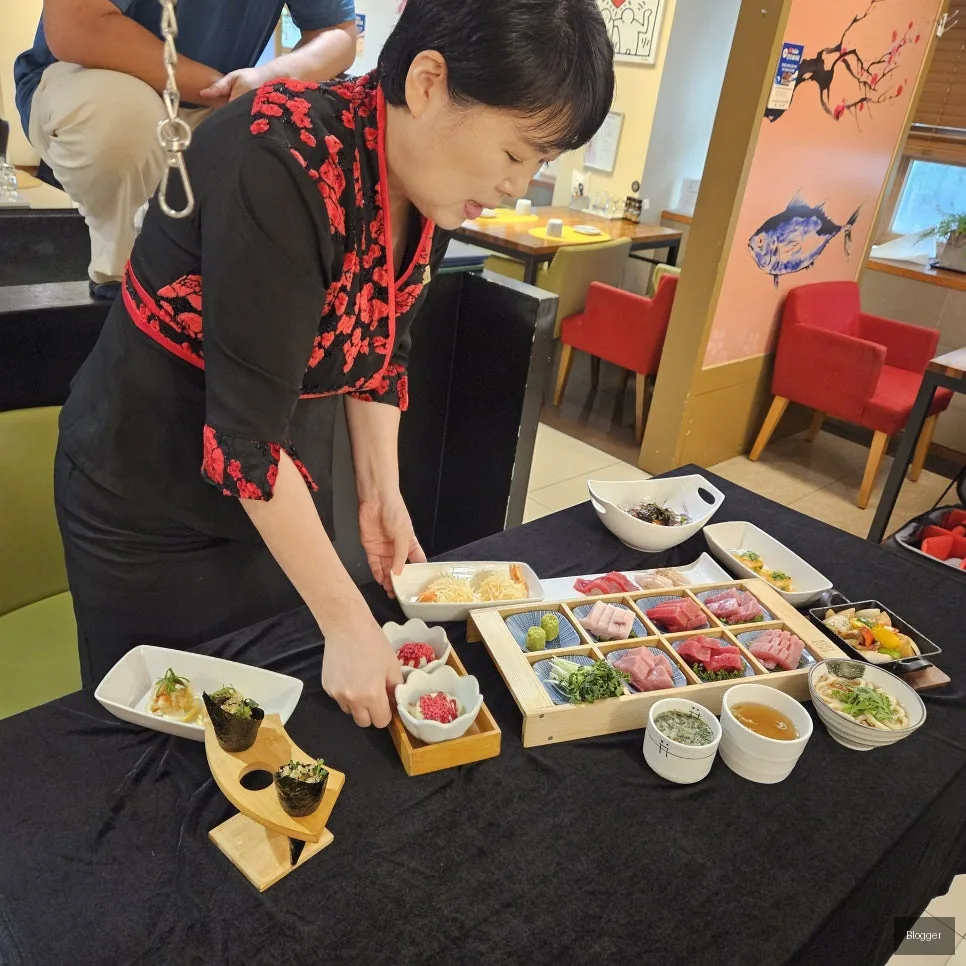
A neatly arranged premium tuna spread
Why Our Kitchen Studies Every Plate
At Goldtuna, we never ignore leftovers. Before a plate goes to the bin, we analyze its condition:
Was the seasoning appropriate?
Was the temperature maintained until the end?
Was the texture still lively?
Did the presentation hold up?
Was it a dish that invited a second bite?
Food shouldn't just look good when it first leaves the kitchen.
It must remain excellent once it sits before the guest.
It must look stunning the moment they take a photo.
It must stay appetizing even if their conversation runs long.
We believe this is the fundamental duty of a professional kitchen.
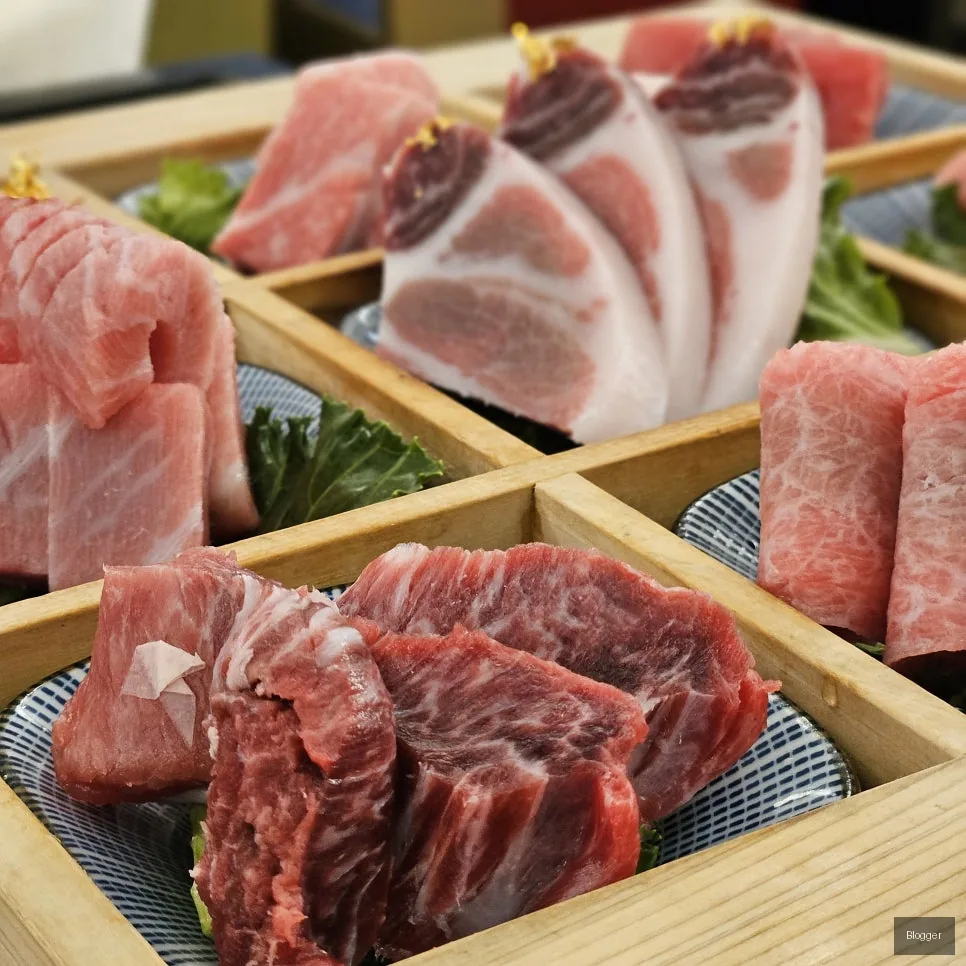
Bluefin Tuna - Wing Meat
Leftovers are Data, Not Waste
If it's delicious, guests naturally keep reaching for it until it disappears.
Conversely, leftover food is silent, yet it speaks volumes:
"The seasoning was a bit too strong."
"The temperature was a bit disappointing."
"It was difficult to eat comfortably."
"It didn't quite fit the flow of this course."
Guests often don't say these things out loud.
They might feel bad for the staff or don't want to break the atmosphere.
But the plate tells the truth.
A kitchen must listen to that truth. Without it, there is no progress.
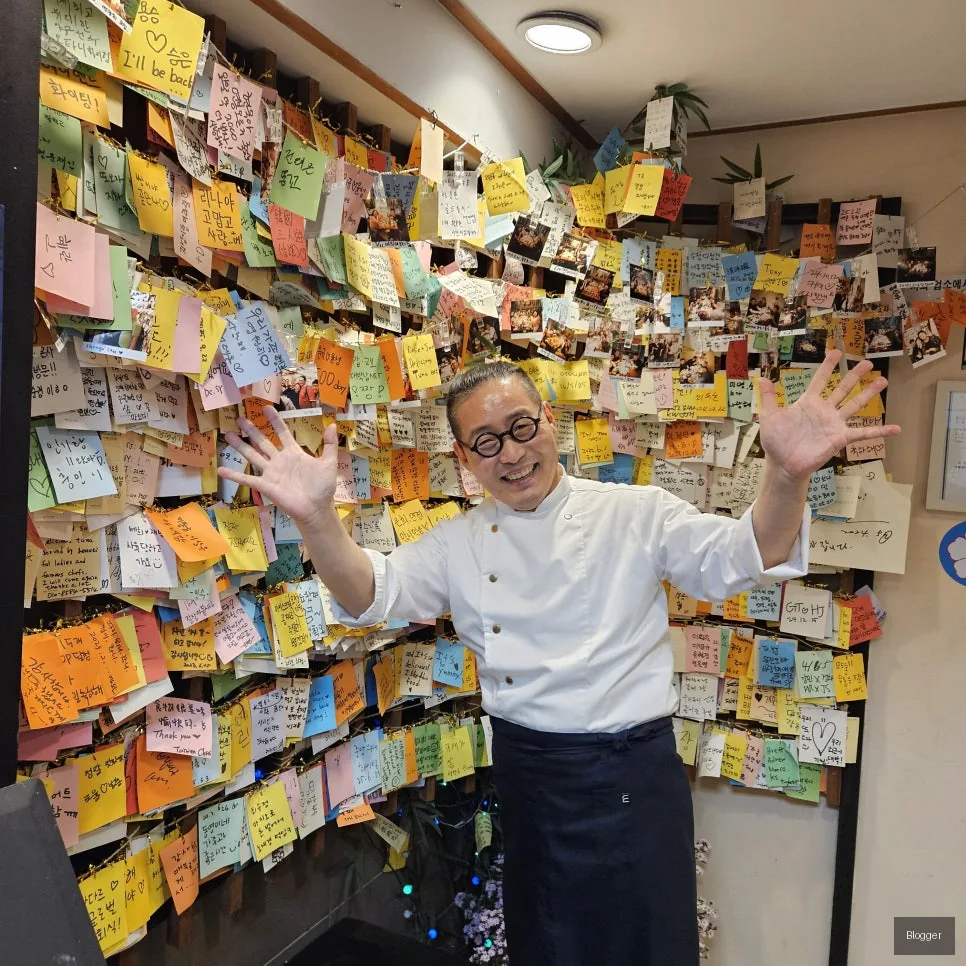
Reviews personally written by our guests at the entrance
The Goldtuna Philosophy: The Flow of 15 Courses
Goldtuna is a premium tuna specialty restaurant.
We curate a meticulous 15-course omakase experience.
Because of this, it’s not enough for just the tuna to be good.
The entire course must be flawless.
From the tuna porridge and salad to the sushi, grilled mero (Chilean sea bass), cream shrimp, udon, and maki—everything must flow.
If even one of the 15 courses breaks the rhythm, the guest's memory of the meal changes.
Guests don't just remember one bite; they remember how the whole experience made them feel.
This is why our kitchen constantly asks:
"Why was this left over?"
"How can we make this more comfortable to eat?"
"How can we make the guest want to reach for it again?"
These questions keep our kitchen alive and evolving.
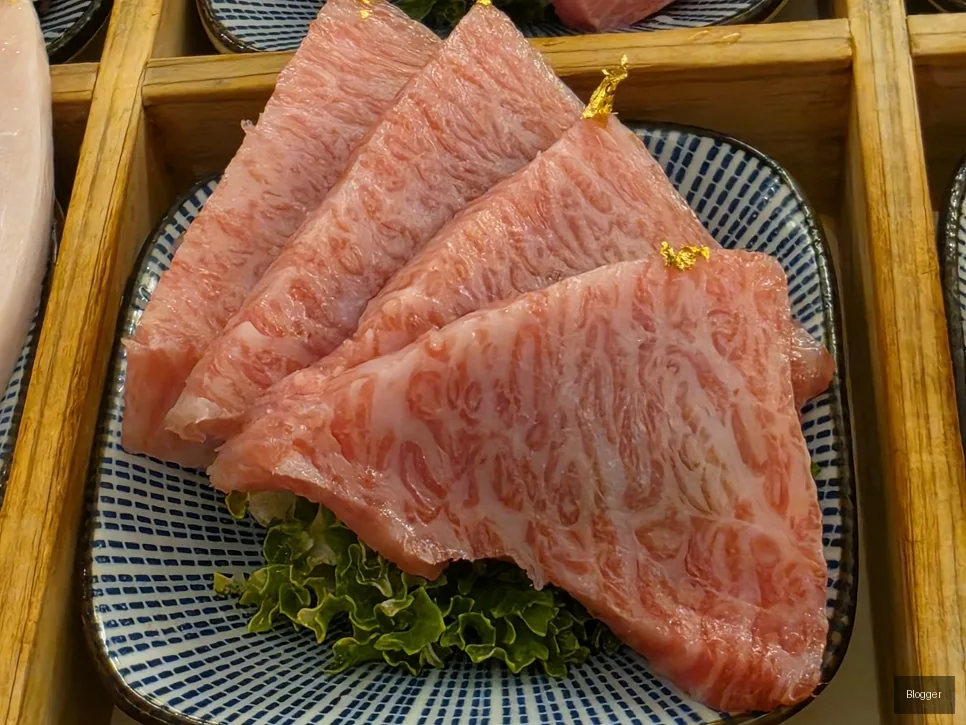
Bluefin Tuna - Kama-toro (Neck Fat)
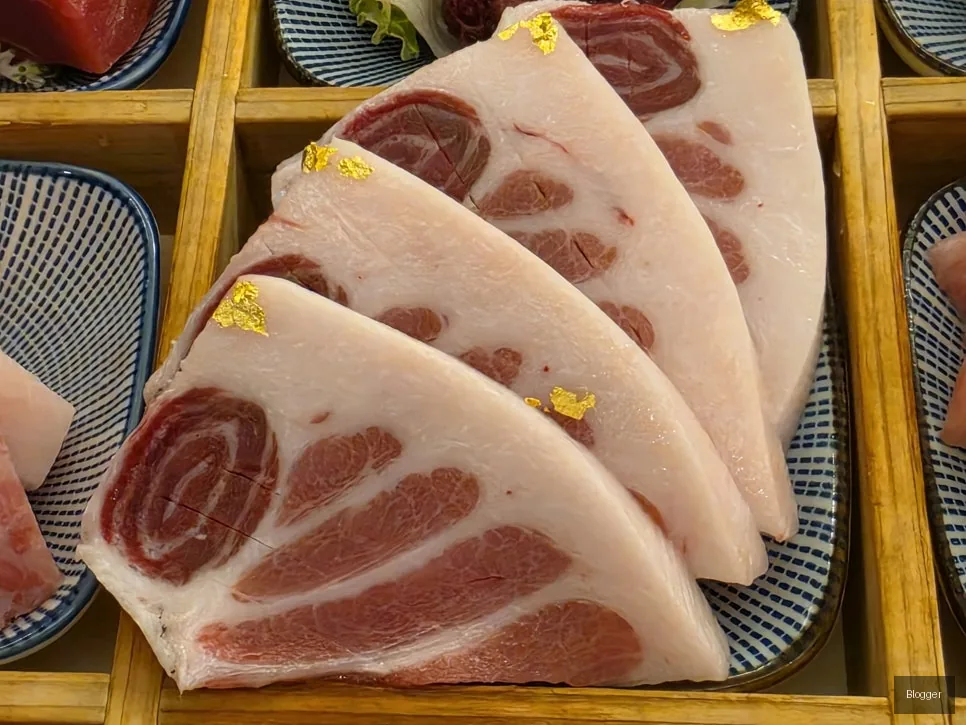
Bluefin Tuna - Otoro (Belly/Navel Meat)
A Great Restaurant Never Stops Learning
The difference between a good restaurant and a mediocre one lies in the willingness to learn.
There must be repeated observation.
There must be constant adjustment.
There must be a record of improvement.
This is why our staff visits other successful restaurants for benchmarking.
We study the flow of their food, the speed of their service, and the moments that make guests smile.
If we can learn even one thing, it's worth it.
The most important thing is the mindset: "We can always be better." This belief is the heart of our kitchen.
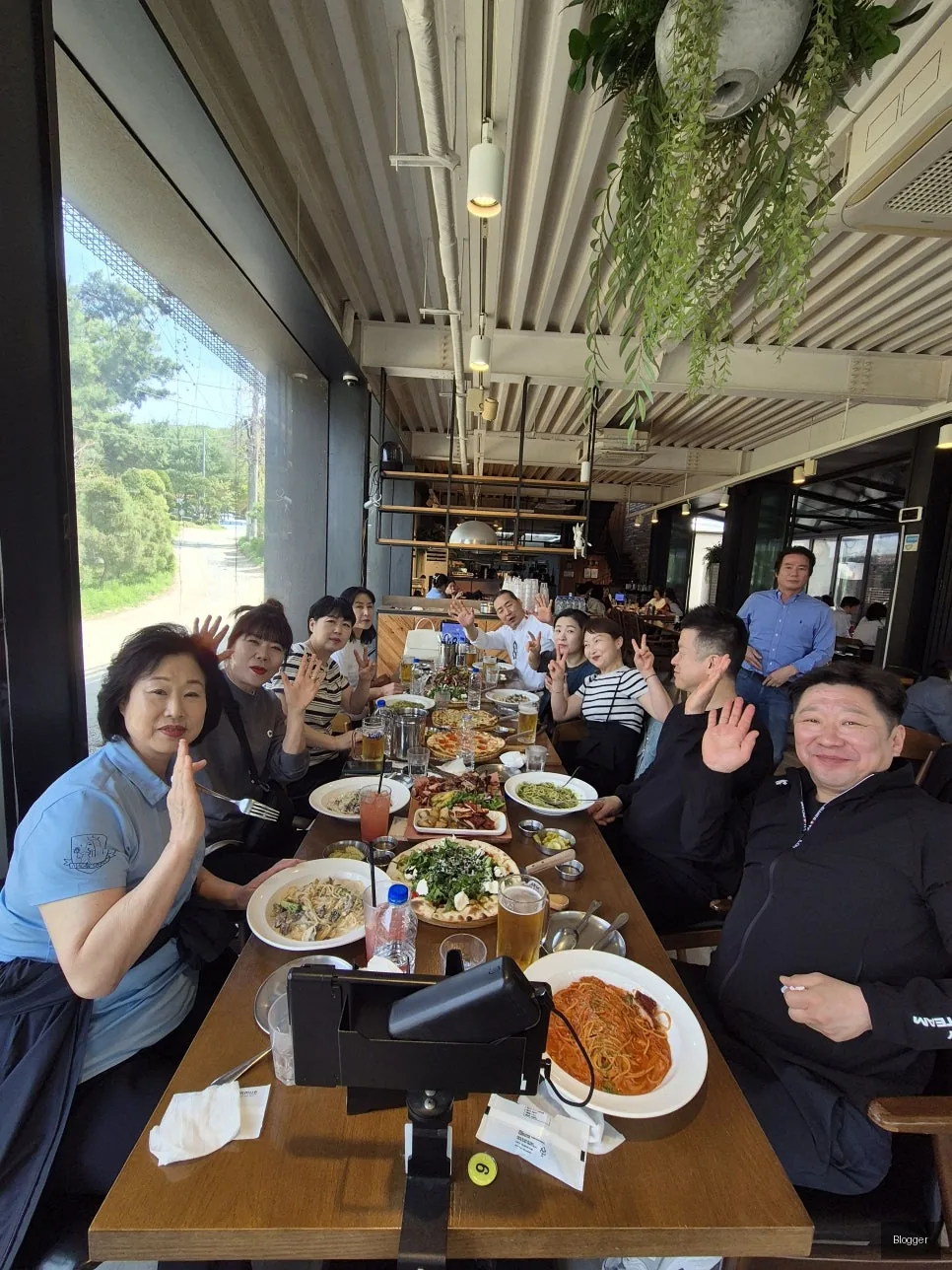
Commemorative photo from our staff's benchmarking tour
A beautifully empty plate is
the greatest praise our kitchen can receive.
A finished plate is a compliment; a leftover plate is a silent homework assignment.
Goldtuna values both equally.
We are grateful for the praise and we learn from the assignments.
Our kitchen watches the plates today as well.
More than being known as a "Bangi-dong restaurant" or "Sinsa-dong hotspot," we want to be one thing:
A tuna specialty restaurant you truly want to revisit.
We place that commitment on every plate we serve.
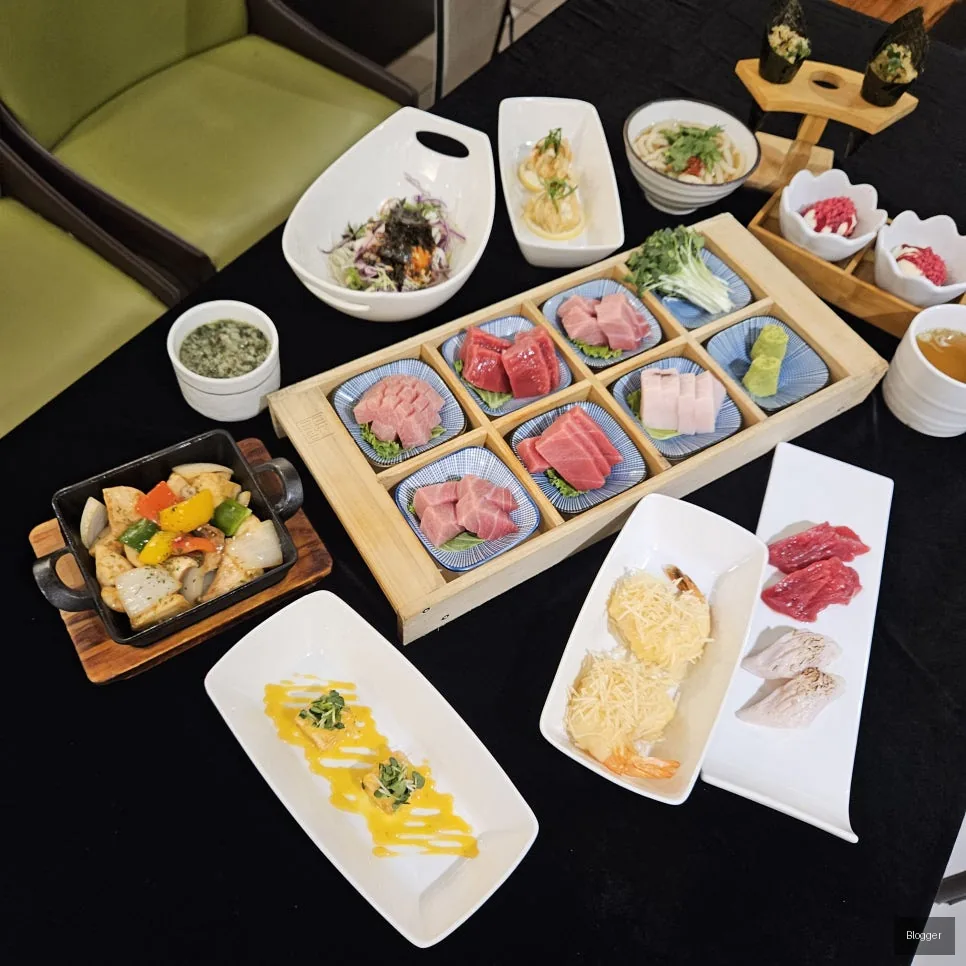
Premium Tuna Course - 45,000 KRW Lunch A Course
Menu Guide & Course Order & Information
Lunch: Lunch B Course (3.5만), Lunch A Course (4.5만), Lunch Special (6만)
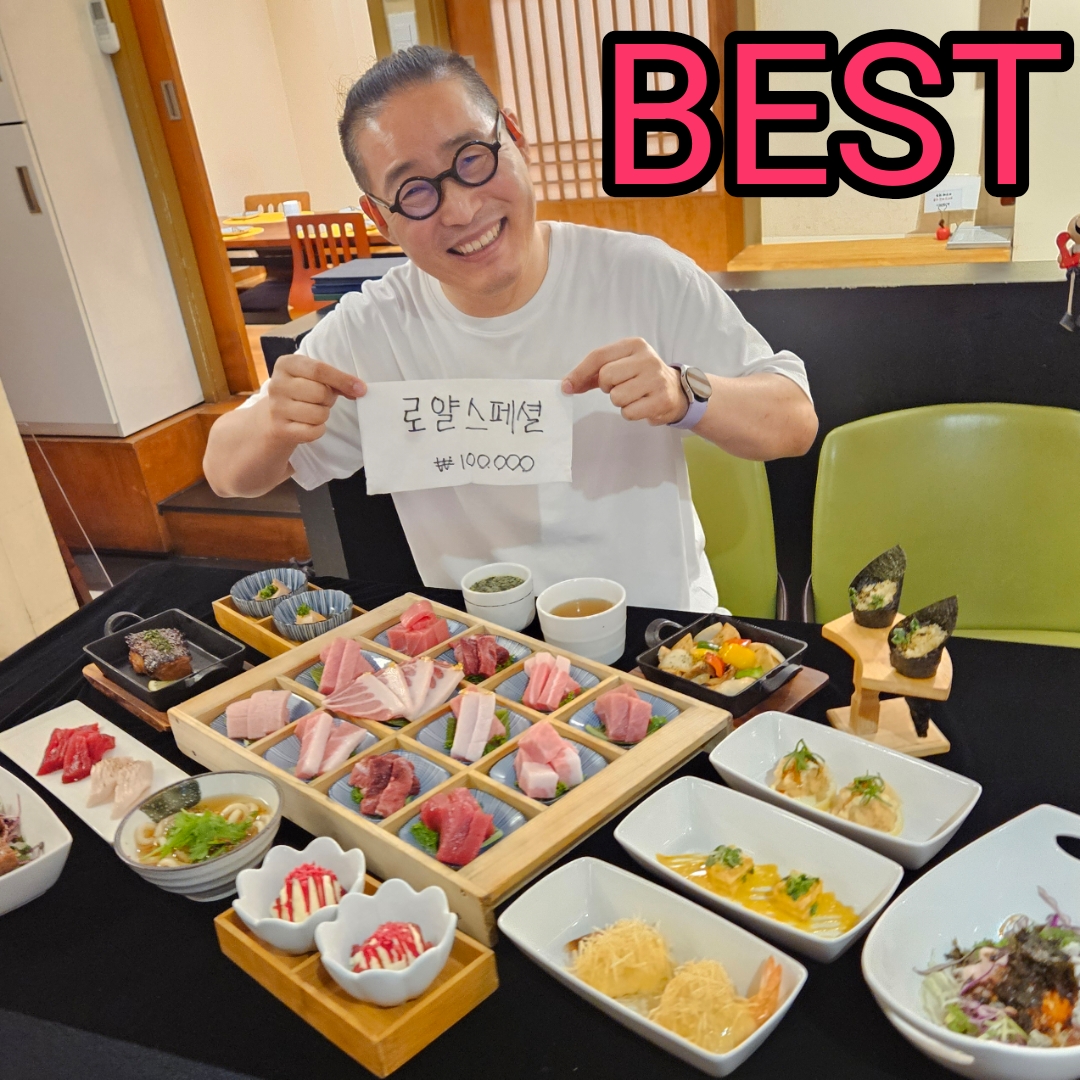
Dinner: VIP Special (8만), Royal Special (10만), Omakase Special (13만)
|
①Tuna Porridge → ②Tuna Salad → ③Fish Ball → ④Grilled Mushroom Plate → ⑤Main Tuna Sashimi → ⑥2-Piece Sushi Set → ⑦Chef's Tuna Service → ⑧Ankimo (Monkfish Liver) → ⑨Grilled Mero (Sea Bass) → ⑩Beef Tteok-galbi → ⑪Tuna Karaage → ⑫Cream Shrimp Tempura → ⑬Udon → ⑭Maki → ⑮Ice Cream |
◆ Restaurant Concept: Premium Tuna Specialty (K-C-J Fusion 15-Course Omakase)
◆ Menu Features: Uses 250kg+ class No.9 Bluefin Tuna / Signature "Cube Cut" Tuna / Custom Hinoki wood trays
◆ Recommended for: Bangi-dong dates, Garosu-gil blind dates, private room family gatherings, wedding invitation dinners, corporate dinners
◆ Trust & Credibility: 45,000 cumulative reservations / 80% return rate / Naver rating: Bangi 4.7, Sinsa 4.9
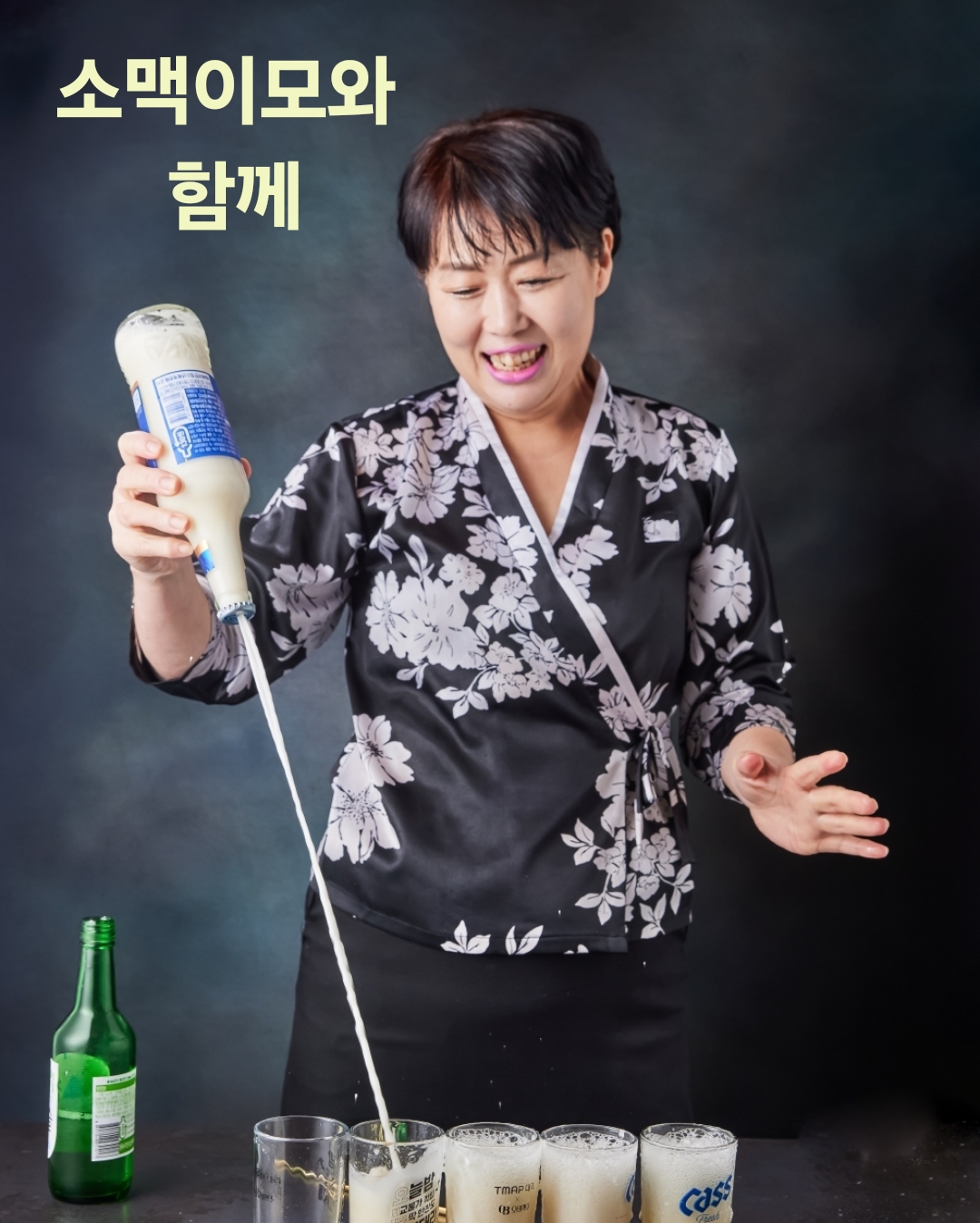
◆ Special Services: Alternative 'Tuna Steak' for non-sashimi eaters / "Somaek Auntie" Joomakase service / Wedding invitation celebrations (Bangi branch) / Lettering service (Sinsa branch)
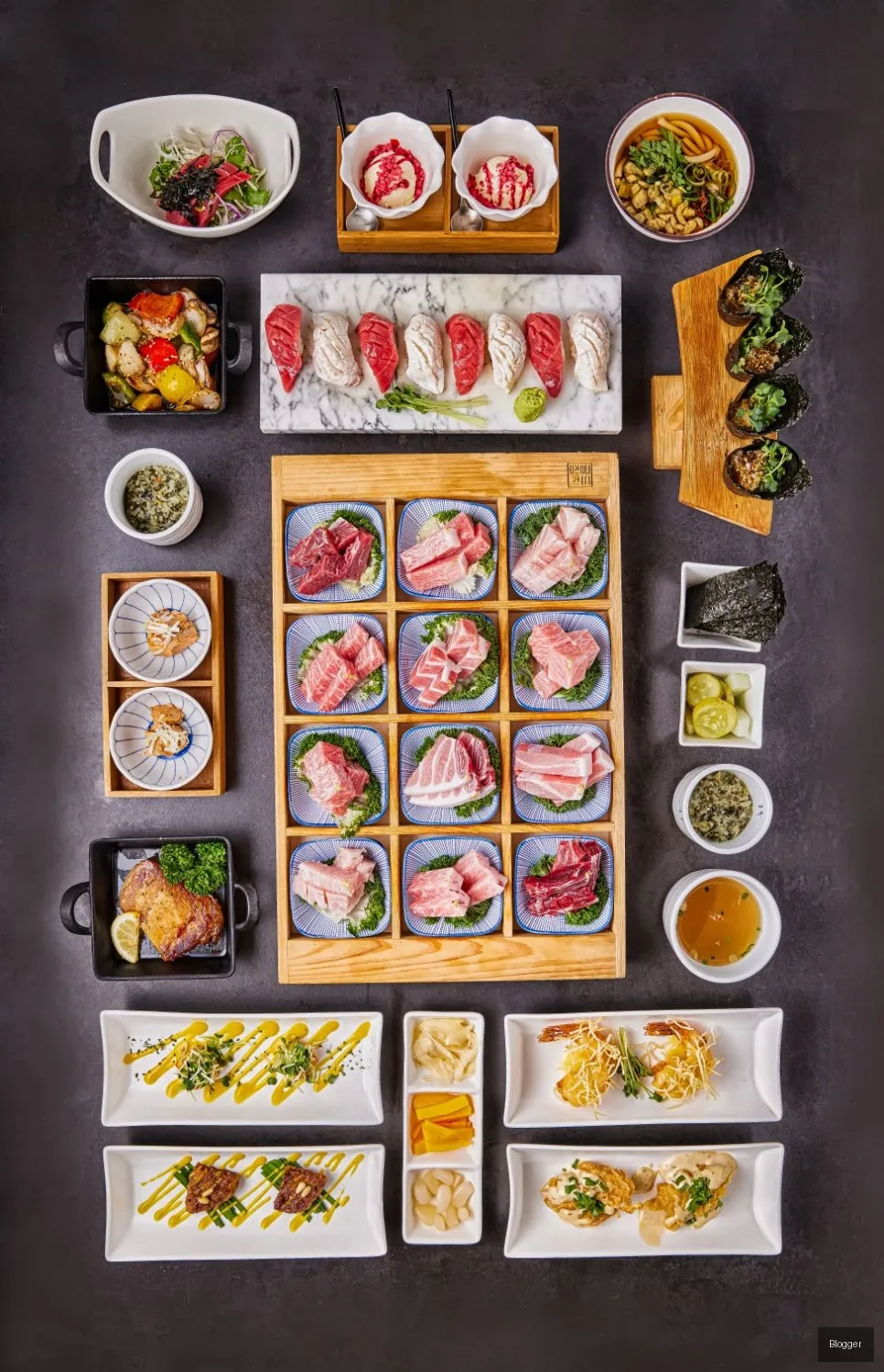
The full 15-course spread at Goldtuna
Reservations & Contact
Goldtuna Bangi Branch: 109-11 Bangi-dong, Songpa-gu, Seoul
Reservation: 0507-1420-7747
Access: Songpanaru Station - 4 mins, Jamsil Station - 10 mins
Valet: Integrated management at Nolboo Sulfur Duck Jamsil booth
Goldtuna Sinsa Branch: 532-2 Sinsa-dong, Gangnam-gu, Seoul
Reservation: 0507-1394-0484
Access: Sinsa Station, Apgujeong Station - 10 mins
Valet: Please call upon arrival for parking assistance.

.jpg)

댓글
댓글 쓰기